










Home > Shop > Titanic Display Ship Model (Superior Range) – Premier Ship Models
Description

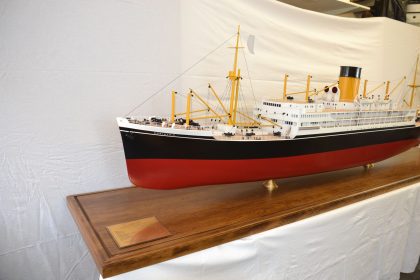
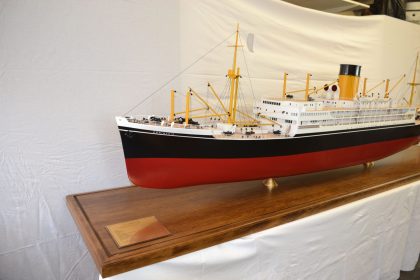
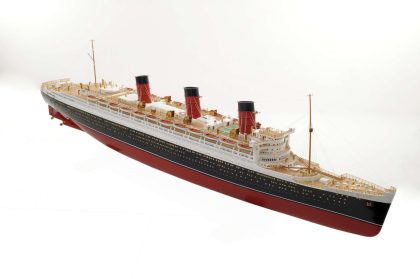
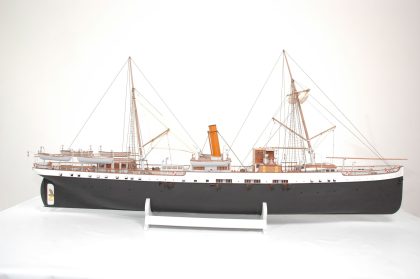
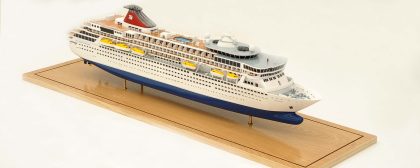
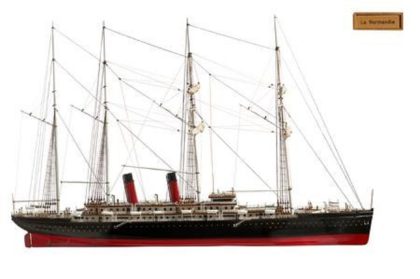
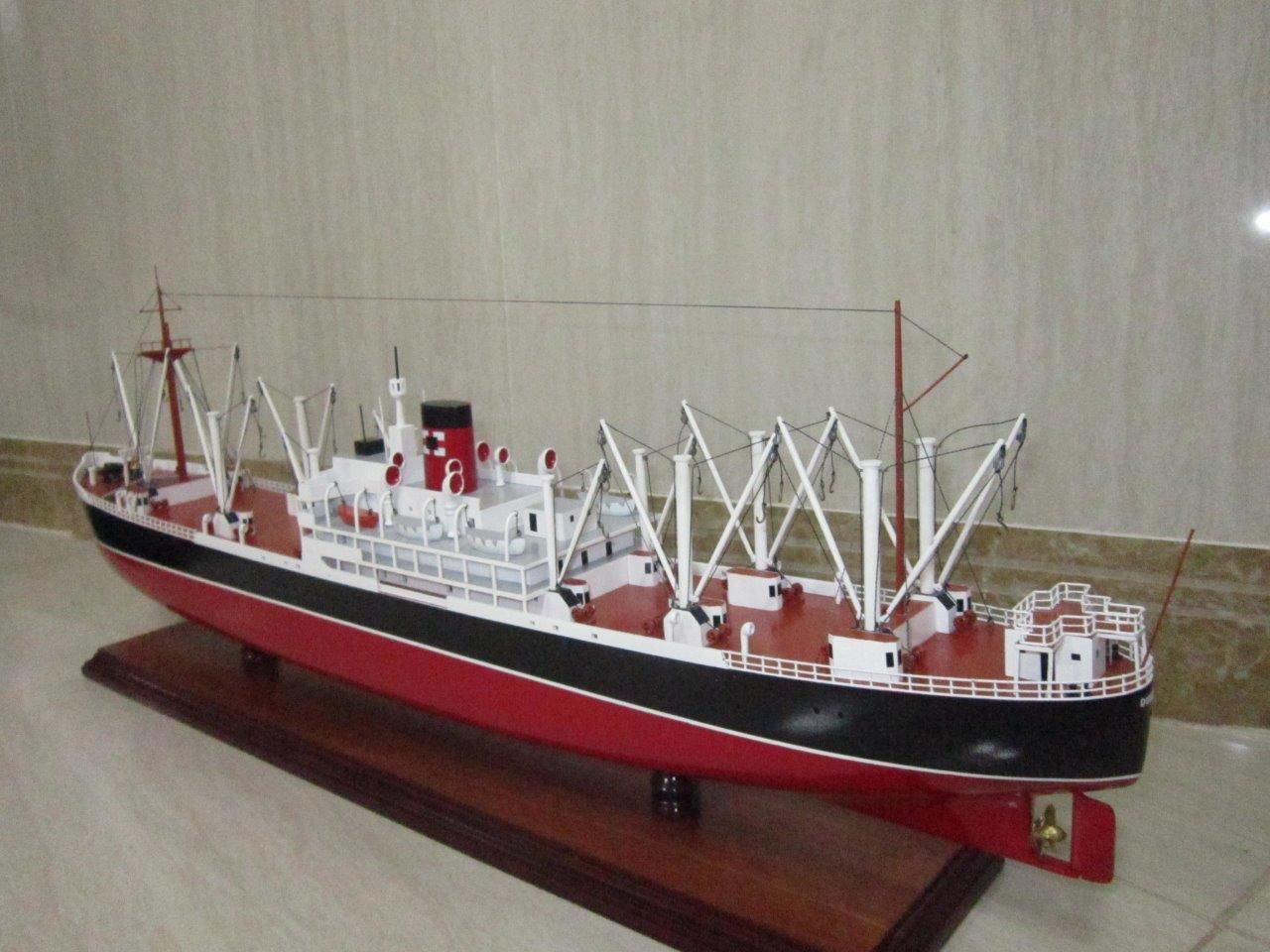
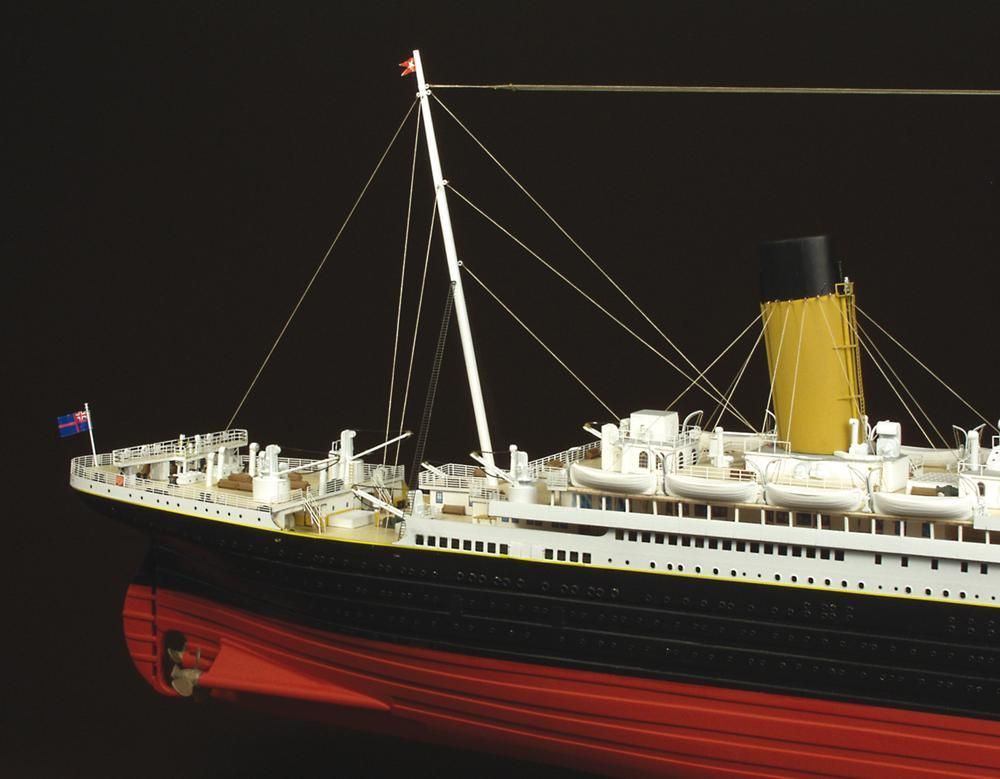
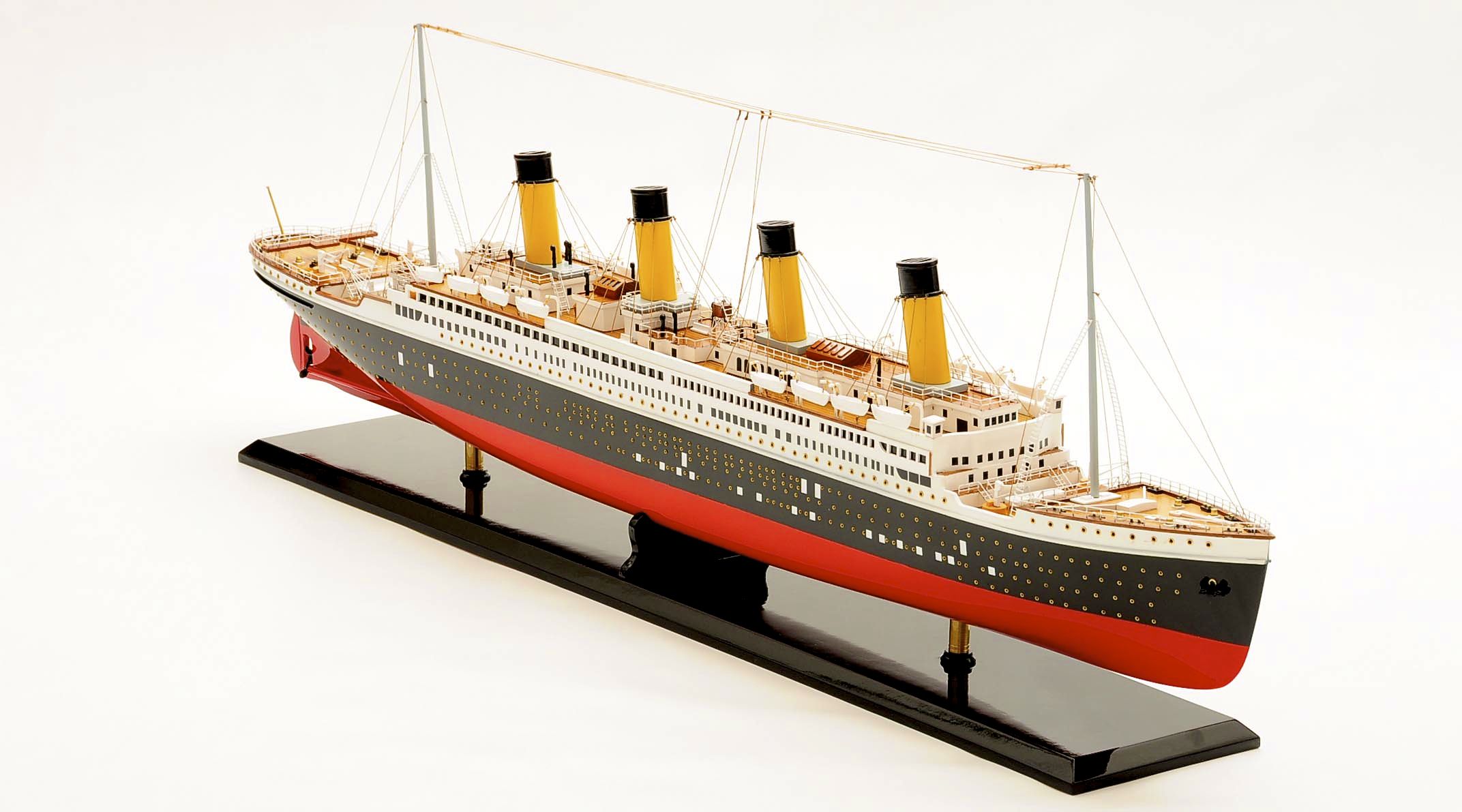
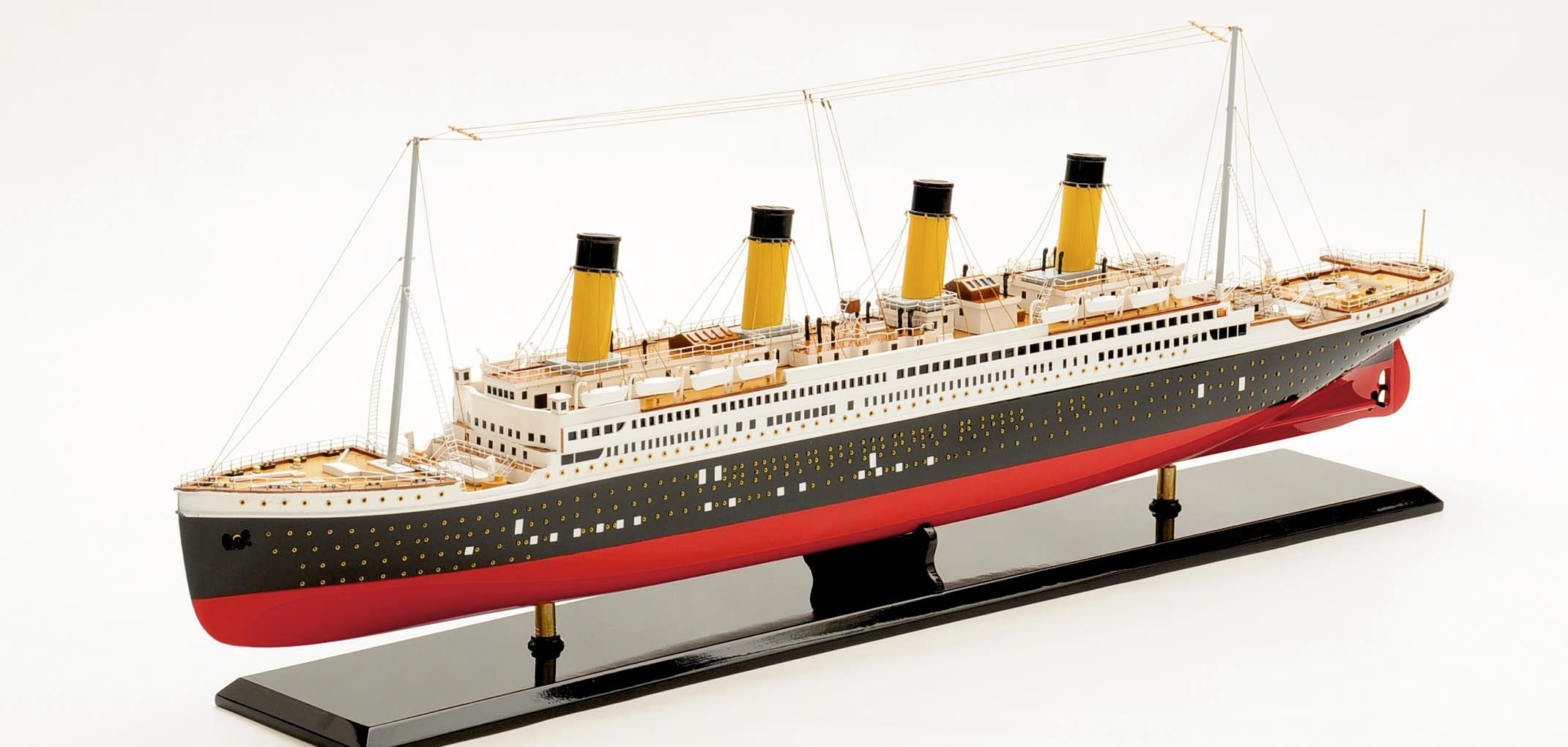
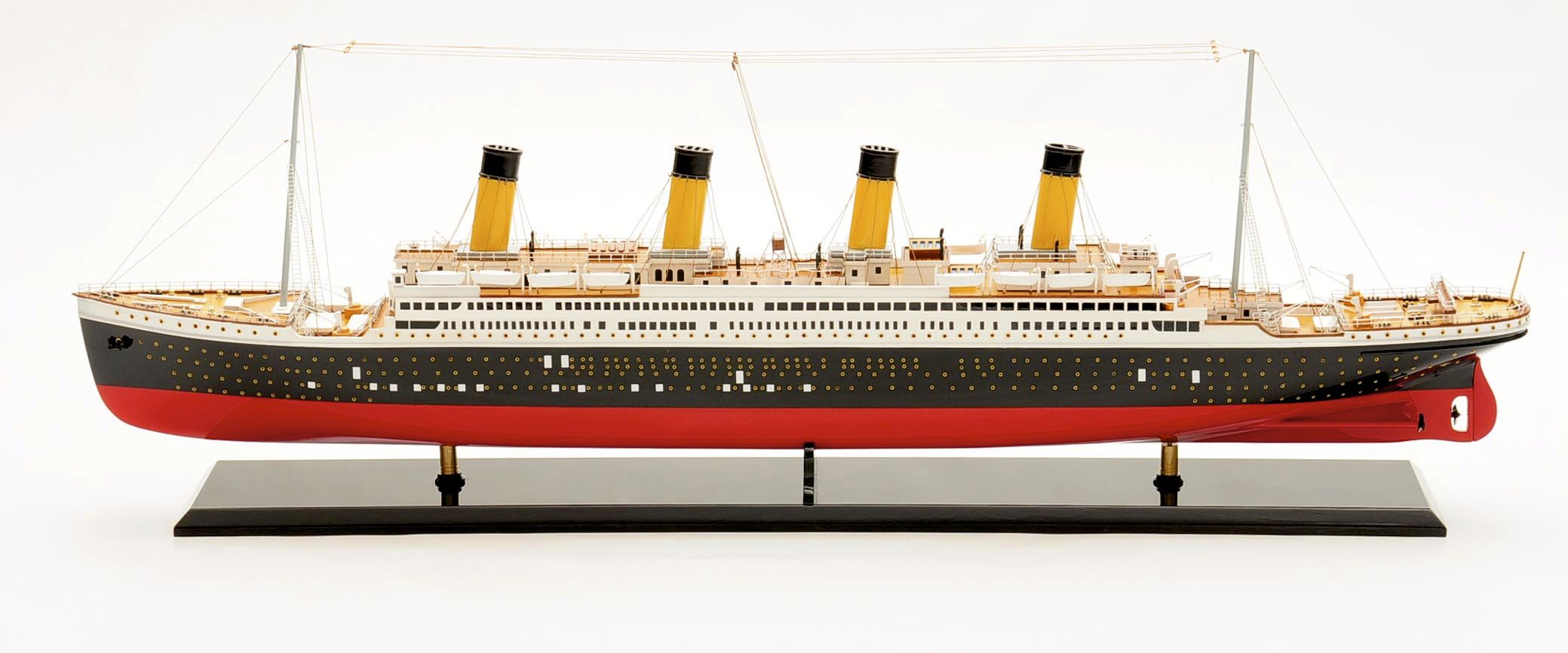
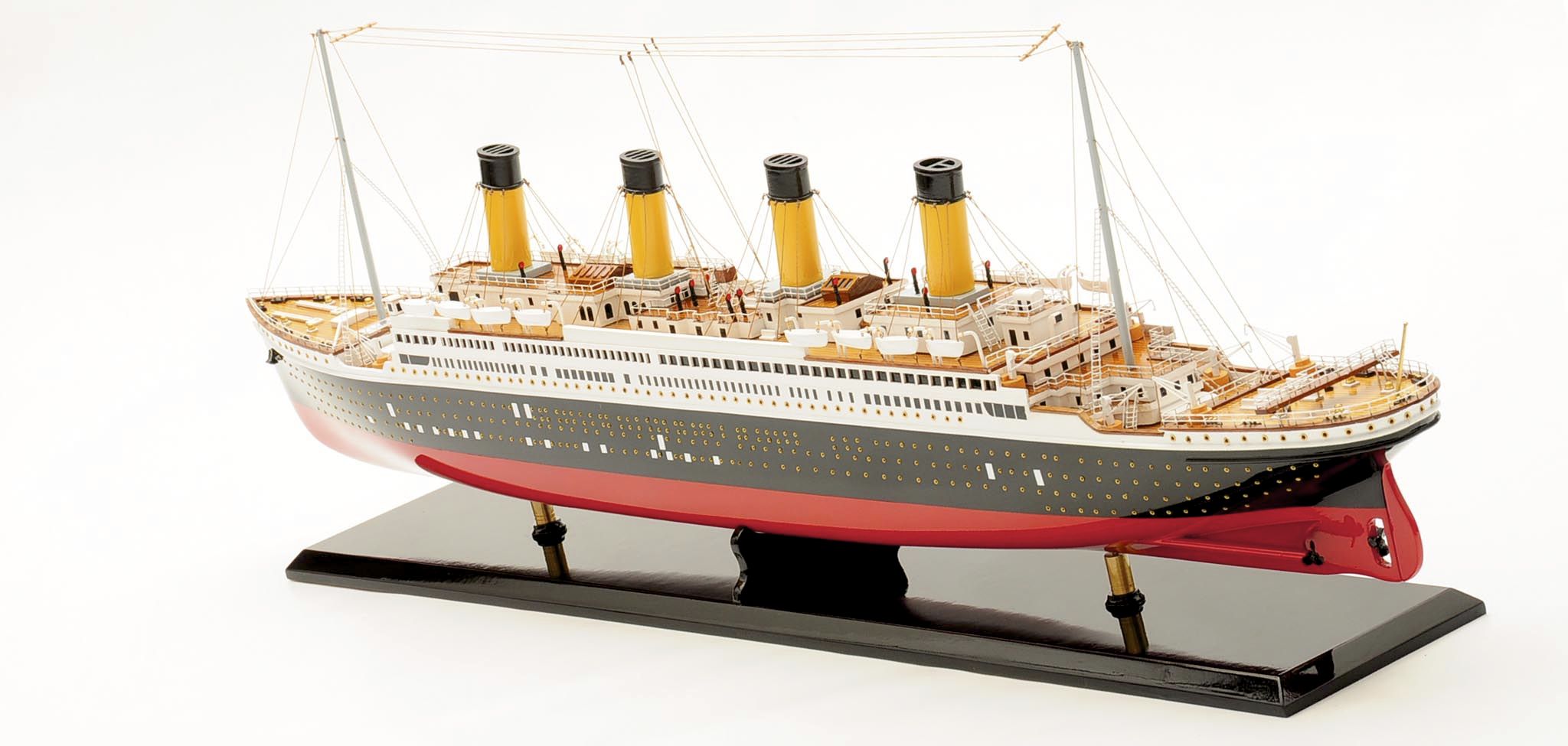
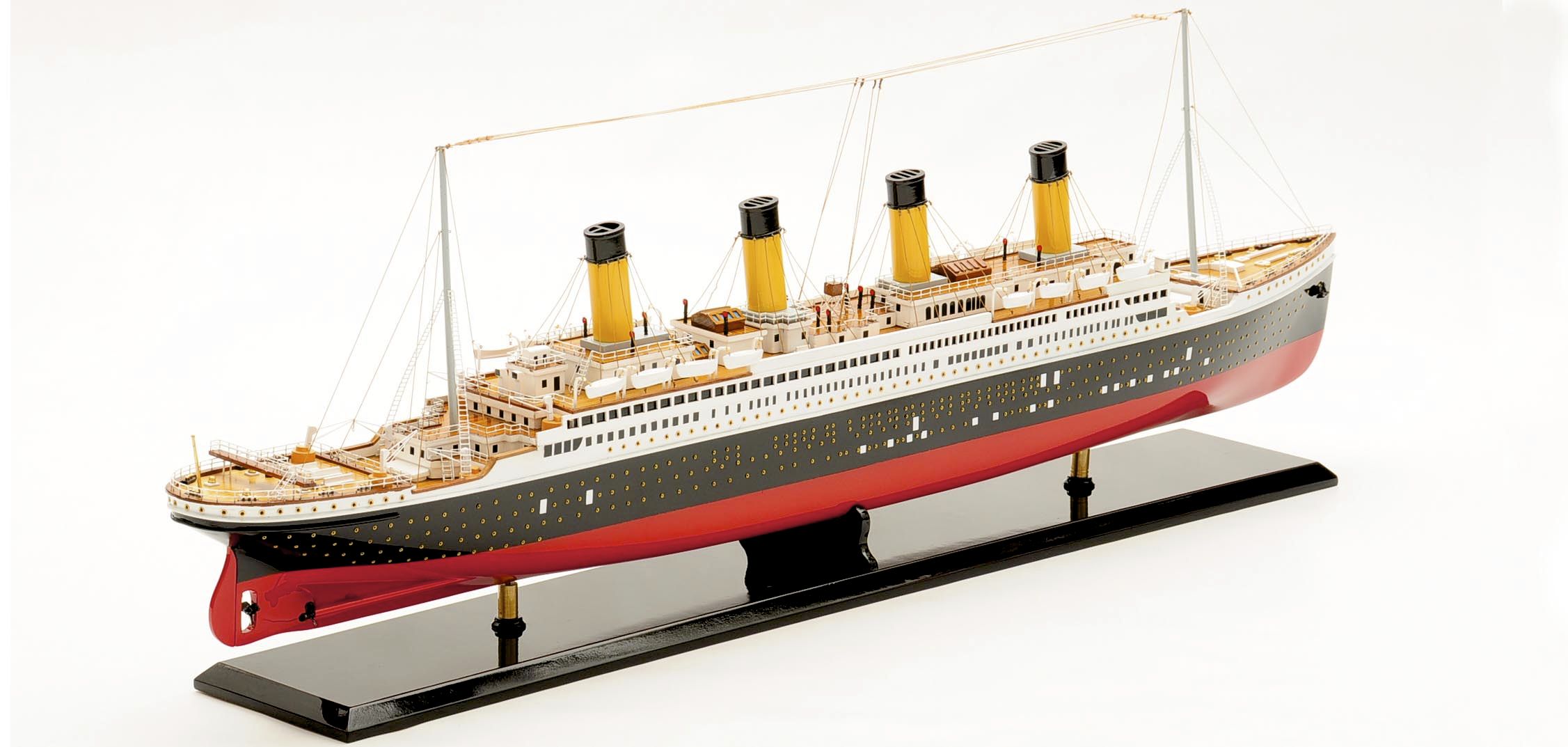
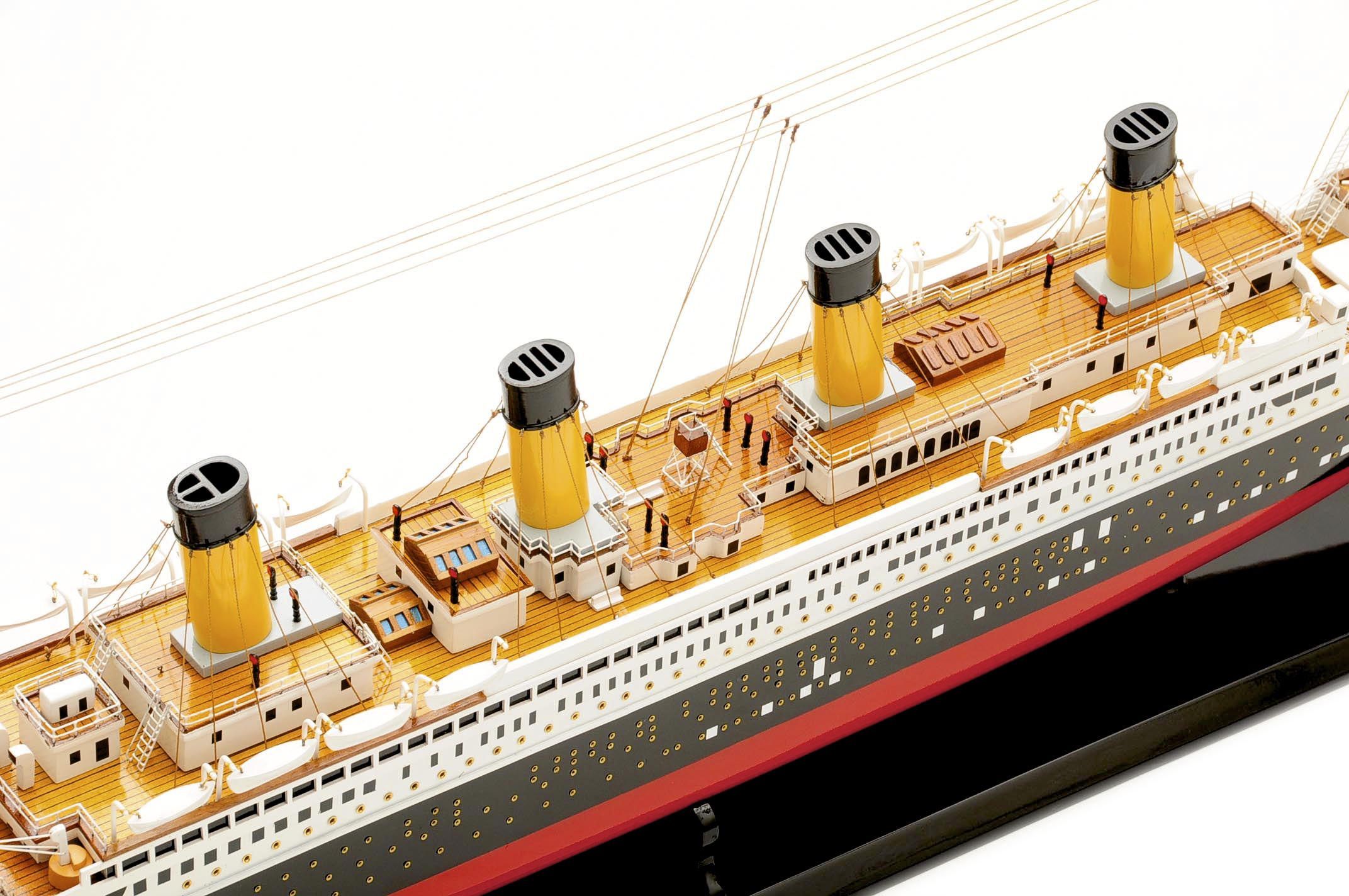
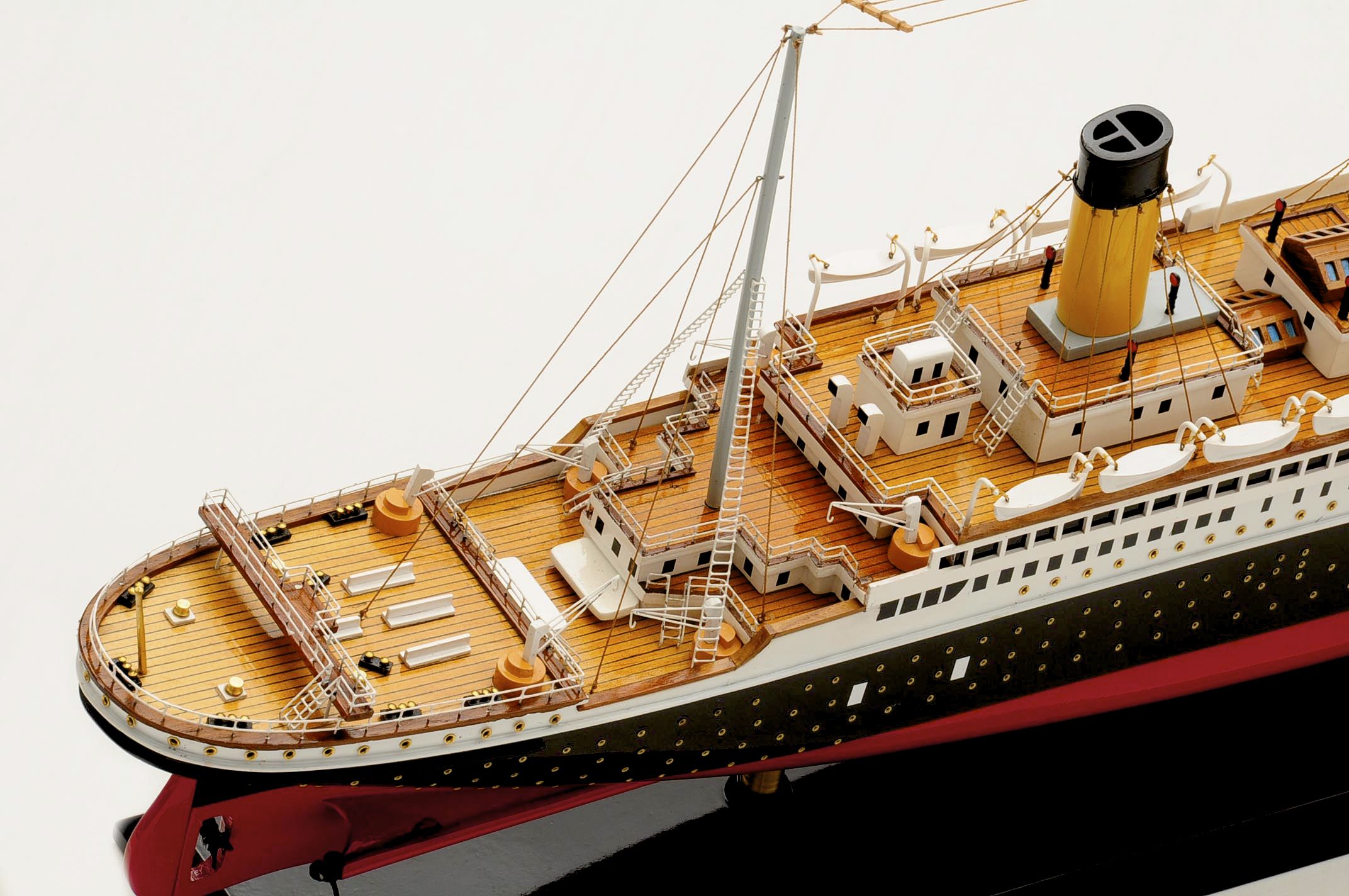
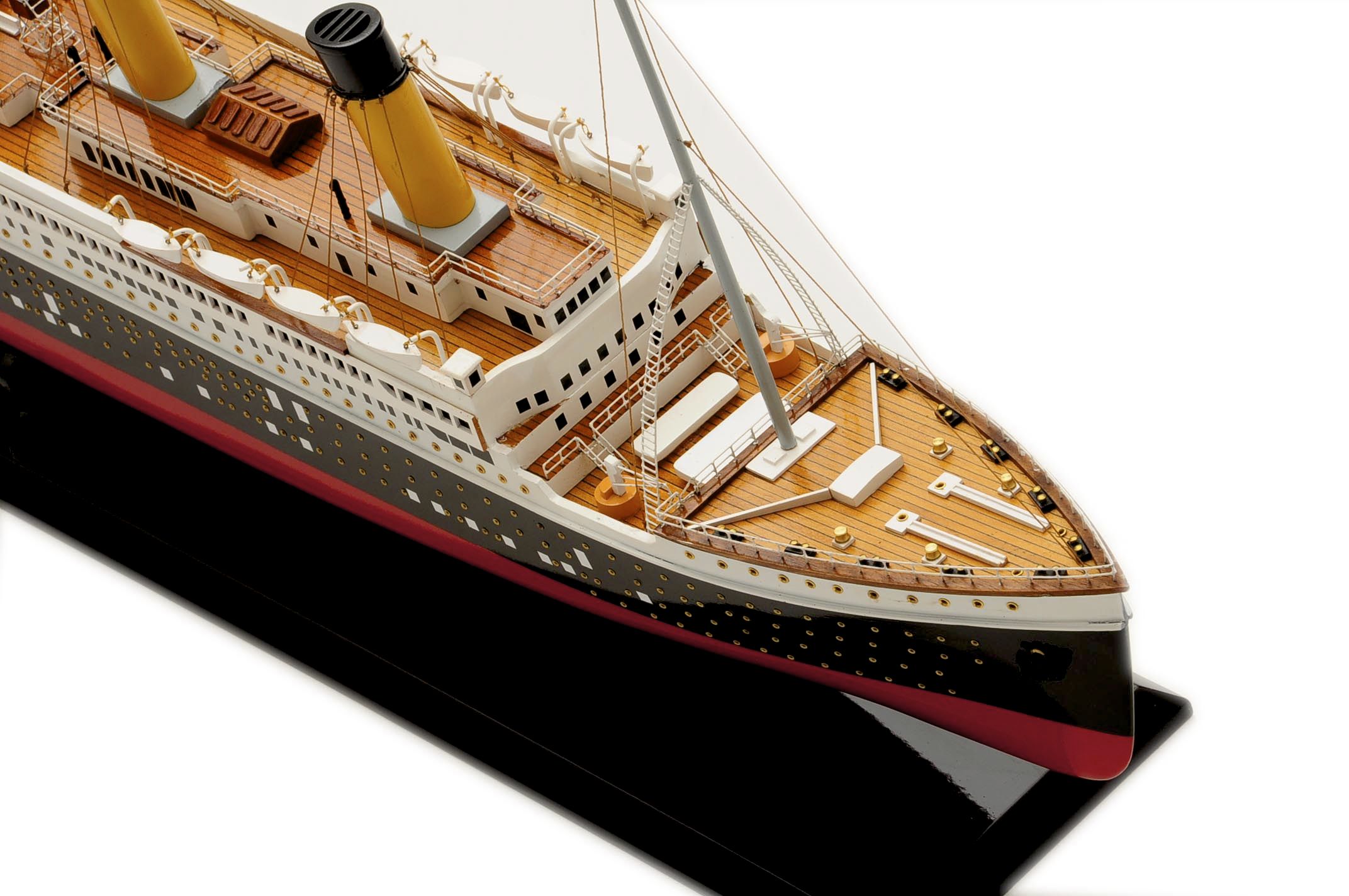
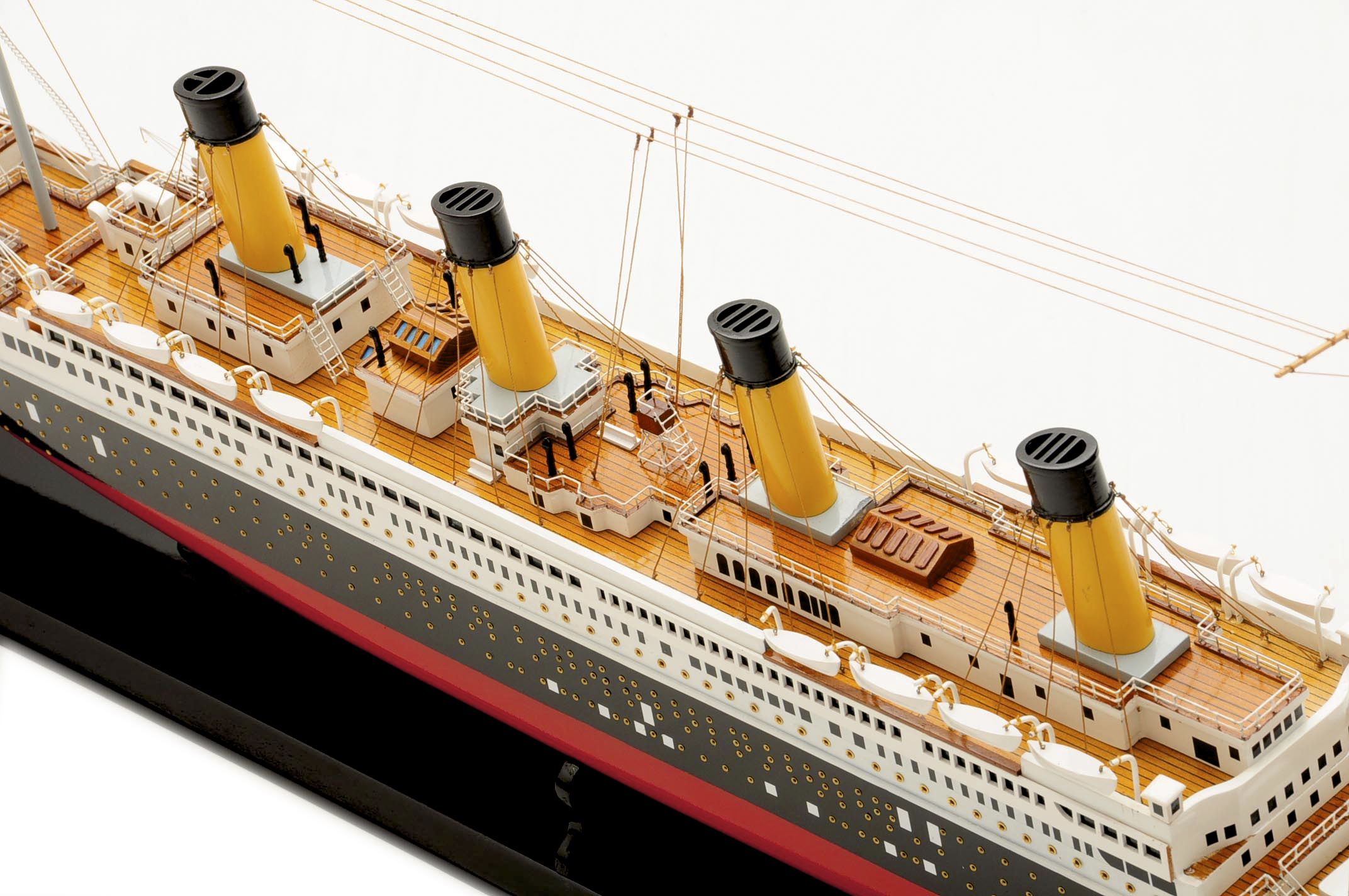
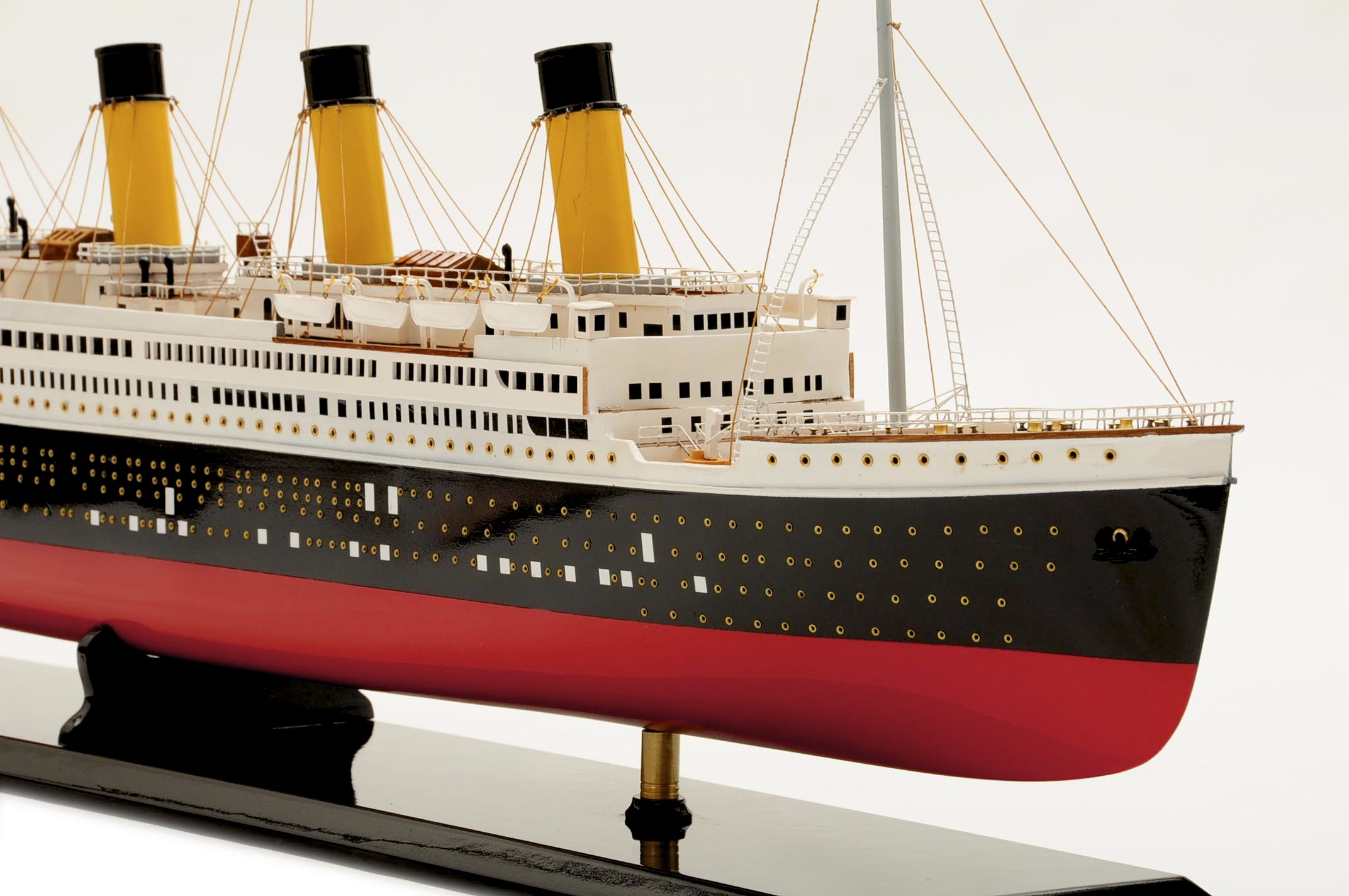
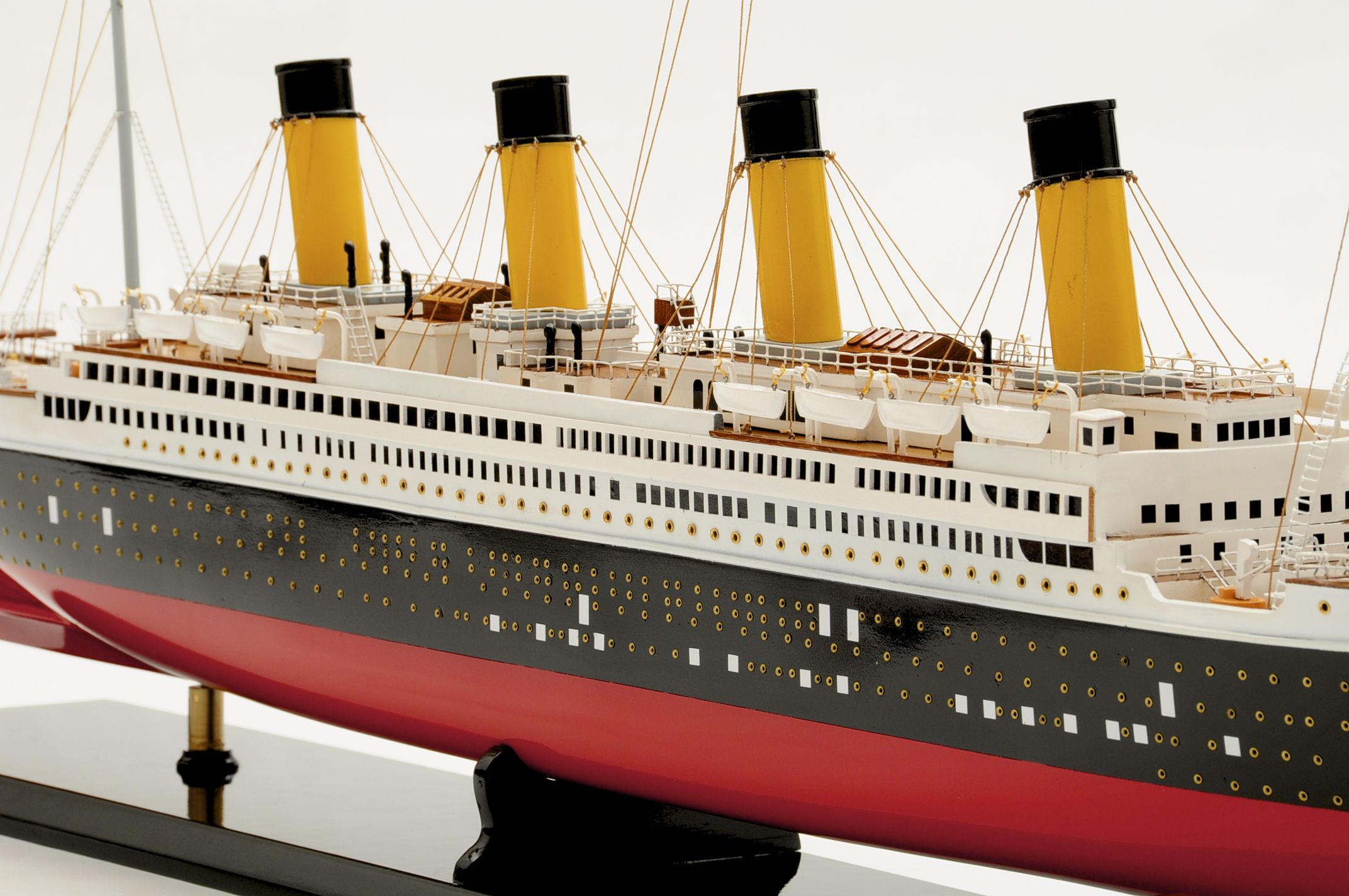
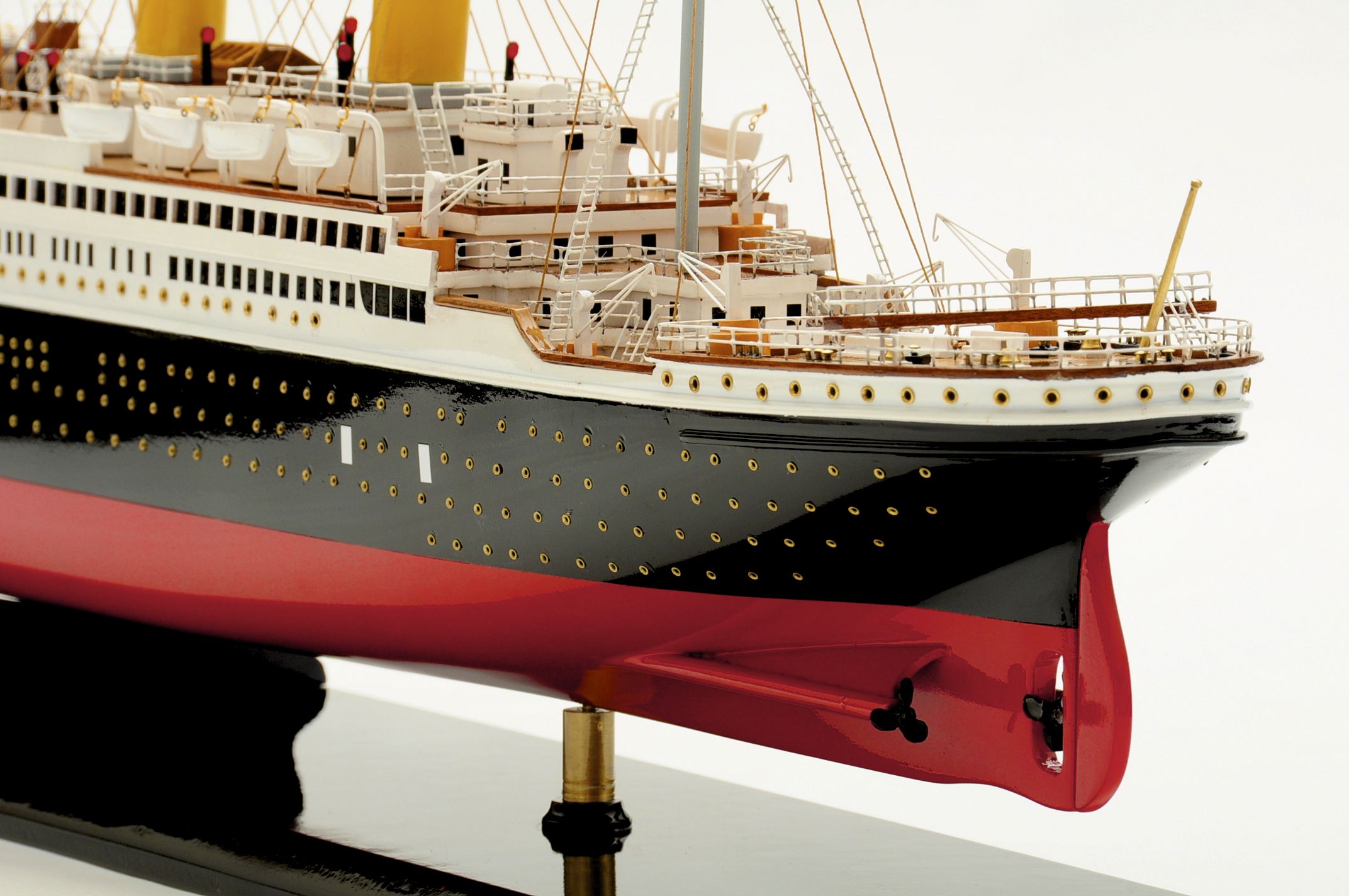
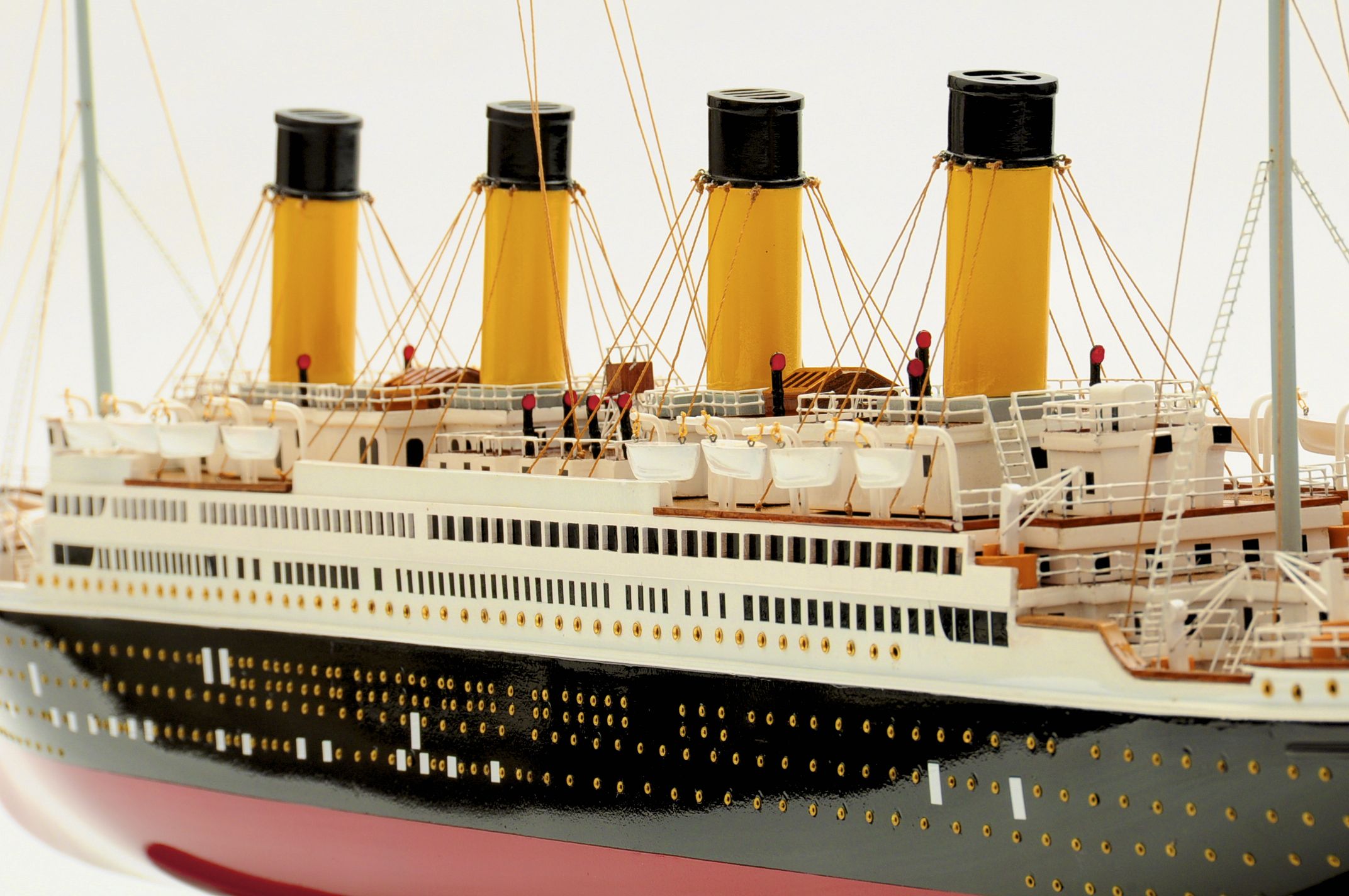
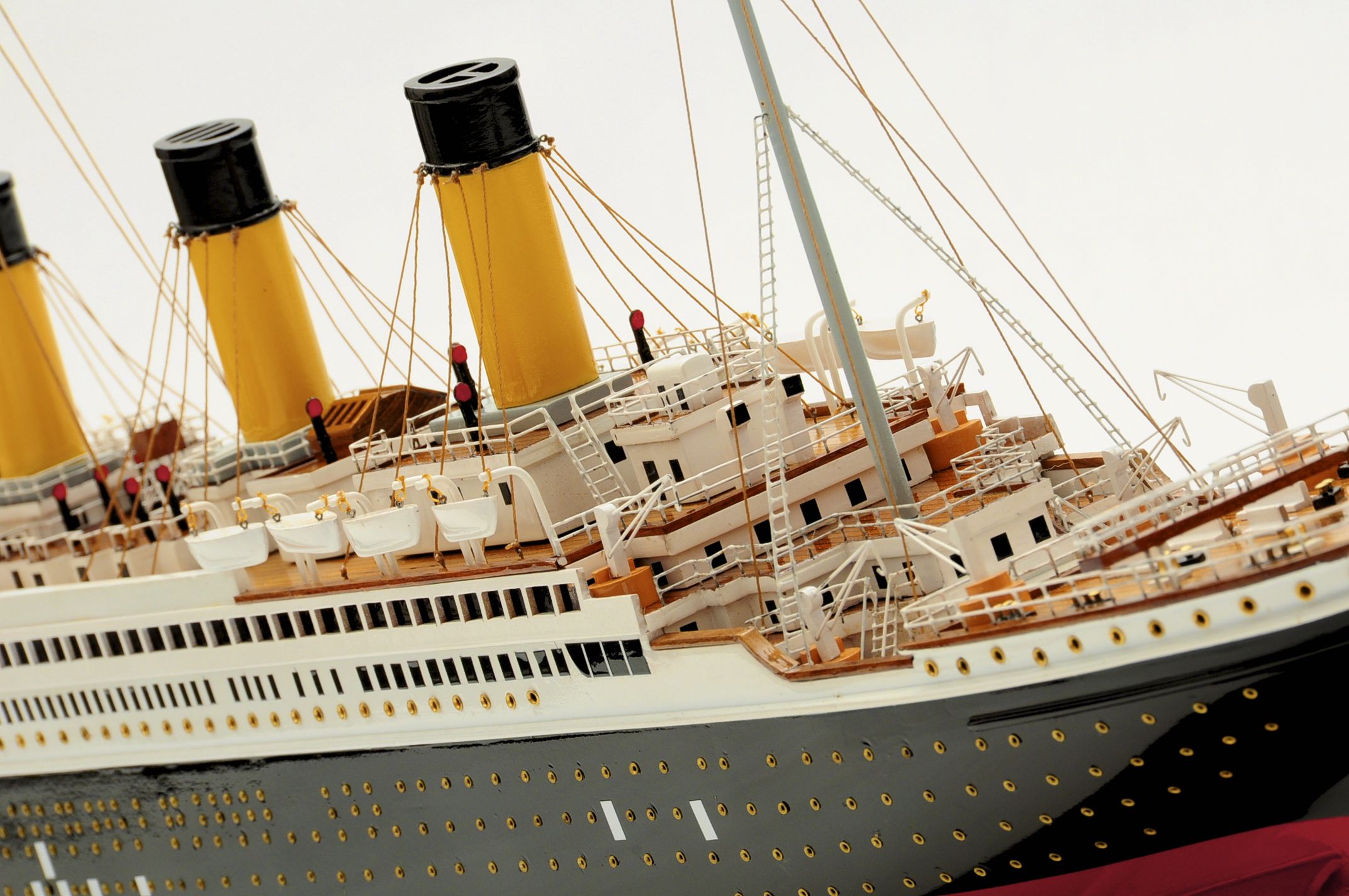
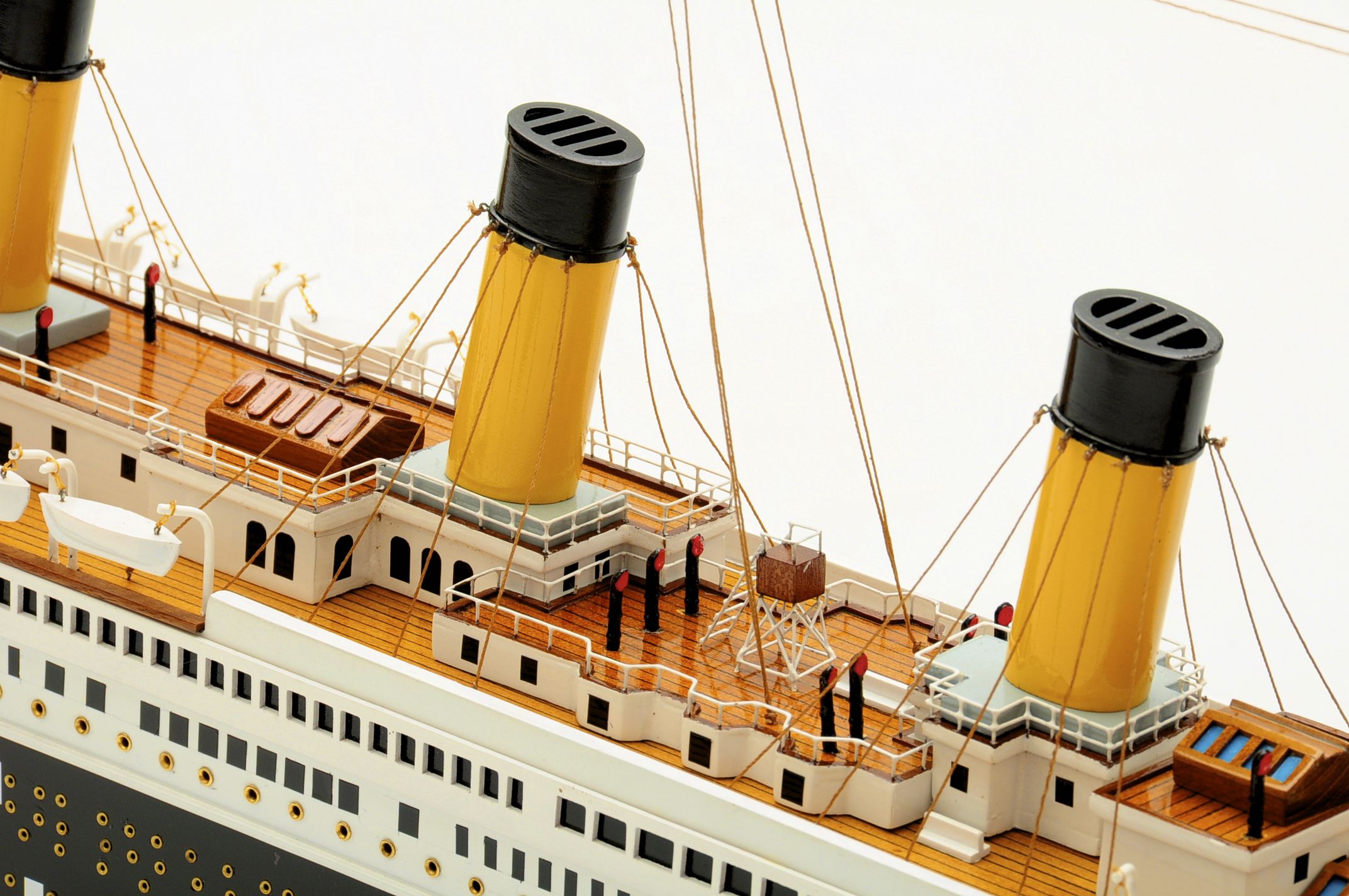
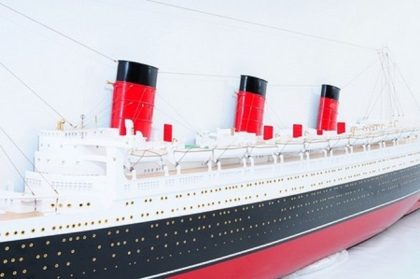
Handcrafted, scratch built and ready made RMS Titanic in our Superior Range

Cruise ship models are a great gift and a fun addition to any model ship collection. At Premier Ship Models, we have a large selection of ship models, including the RMS Titanic, Mississippi, Robert E. Lee and other famous cruise ship models for sale. Each cruise ship model in our catalog is crafted with exceptional quality workmanship.

Browse our website to find cruise ship models for sale in our standard, superior and premier ranges. In addition, we have custom built ship models. We just need pictures and ship plans to help our designers craft the ship according to your specifications. We also do restoration work for damaged models, so if you have a model that needs restoration, give us a call.

The Royal Mail Titanic was one of the three sister ships laid down for Britains White Star Line, then a subsidiary of American financier J.P. Morgans International Mercantile Marine. One of RMS Titanic great innovations was the placement of fifteen watertight bulkheads (with electrically operated watertight doors) that extended from the ship double bottom through four or five of her nine decks and were said to make the ship unsinkable.

Yet for all her safety features, Titanic carried just sixteen lifeboats and four collapsible boats, which could handle only 1,178 people, a meagre 35% of the maximum passenger and crew complement of 3,511. Even so, this number exceeded the British Board of Trade requirements.

Among the 329 first class passengers on the RMS Titanic, whose aggregate wealth exceeded $500 million were John Jacob Aster, Isidor and Ida Strauss, Harry Widener, and amongst the survivors, J. Bruce Ismay, Managing Director of the White Star Line, and Margaret The unsinkable Molly Brown. There were also 285-second class and 710 3rd class passengers, and 899 crew on the ships manifest.

Overseeing this floating city was commodore Edward J Smith, a 25-year veteran of the White Star Line who postponed his retirement to make the voyage. On April 14, an aura of complacency pervaded the bridge, although Titanic wireless operators Jack Philips and Harold Bride received warnings of an ice field ahead of this ship. The first of the six messages came at 13:40, but only one was formally posted on the bridge, which Commodore Smith disregarded.

As Titanic ploughed forward into the windless, moonless night at better than 22 Knots, at 23:40 lookout Frederick Fleet reported Iceberg straight ahead. As First Officer William Murdoch immediately acted to leave the berg to starboard, the Titanic brushed two hundred feet of her hull along a submerged spur that buckled her hull plates.

A hurried examination found that the six foremost watertight compartments had been breached; each would flood and spill successively into the next chamber until she sank. In the wake of the collision Captain Smiths behaviour was vague, and it was only at his subordinate initiative that distress rockets were fired or lifeboats launched.

At 00:15 on April 15, Titanic sent her first distress call and at 00:45, she fired her first of eight distress rockets in an effort to bestir a mysterious ship (thought to be the Californian) lying 19 miles away. By 02:20, the last of the lifeboats had pulled away and the ship was perpendicular to the water, her lights still blazing. Finally she broke apart between the 3rd and 4th funnels and sank in 13,000 feet of water.

Many lifeboats left the ship partially full, and although the Cunard lines Carpathia rescued 706 survivors, there were 473 empty seats. The death toll was estimated at between 1,500 and 1,635 people. Although women and children constituted only 24% of the ships complement, they made up 53 % of the survivors. There were also great differences of the survivors by class (1st class – 60%, 2nd class – 42%, 3rd class – 25 % and crew – 24%).

The exact circumstances surrounding the tragedy created an orgy of press speculation. Government enquiries were convened in both Washington and London, and neither enquiry assigned explicit blame for the disaster except to the hapless Californian. However, authorities in both countries sensibly addressed the fundamental safety issues of lifeboats for all, lifeboat drills, crew training, 24 hour a day wireless operations, and the creation of the International Ice Patrol.

The story of the Titanic went through succession of interpretation in print and film, most notably Walter Lloyds account, A Night To Remember , and a film of the same name.

It was not until 1985 that an expedition led by Dr Robert Ballad succeeded in locating and photographing the ship (the 2 sections were 1,930 feet away). In 1987, a French expedition removed artefacts from the site, despite an international outcry that the wreck should be respected as a mass grave and archaeological site. Part of James Cameroons Titanic (1997) was filmed on location inside the hull.

To view other ready-made ship models, browse our many other products or please feel free to Contact Premier Ship Models for with any questions you may have.
Additional information
Volumetric Weight 34 kg
Length (cm)

104

Width (cm)

15

Height (cm)

34

Vessel Type

Cruise liner

Length (Inches)

41

Width (Inches)

6

Height (Inches)

13

Delivery & Returns
Delivery

We ship worldwide using FedEx, with tracking details provided once your order has been dispatched. Most model kits are delivered within 10-14 days if in stock, while handcrafted ready-made models may take 12+ weeks depending on production schedules. Due to the bespoke nature of ready-made models, staged payments may apply. Please inspect deliveries on arrival and report any damage immediately.

Returns

Standard models, kits and display cases can be returned within 14 days of delivery if unused and in original condition, with return shipping arranged by the customer. Faulty, damaged or incorrect items should be reported within 24 hours of delivery. Please note that bespoke and custom-made models are non-returnable and non-refundable once production has begun.

FAQs

A custom model ship is a bespoke model built entirely to your specification, replicating a specific design at a chosen scale and finish level. Depending on the type of design and your required timeline, our models are produced using a combination of traditional hand-crafting, 3D printing, CNC, and laser techniques – allowing us to deliver the best result for your project.

Custom models are popular with private collectors, yacht and boat owners, maritime businesses, shipping companies, and naval institutions. They’re also a distinctive choice for trade shows and events, corporate display pieces, and as memorable gifts – for example, gifting a client a scale model of their new yacht while it’s still being built is something we’ve helped make happen more than once.

Our custom model process runs from initial enquiry through to delivery, and is managed across three stages:

1. Enquiry Stage Get in touch with our sales team and we’ll assess your requirements – covering details such as the type and name of the subject, your preferred scale, number of models, quality level, delivery timescale, and budget. We’ll provide a formal quotation, and once agreed, an invoice is raised and a 50% deposit is taken to proceed.

2. Pre-Production Stage Our team works with you to complete a Model Maker’s Brief (MMB) – a detailed specification document that the model makers will build to. Where applicable, 3D renders are produced in black and white and then colour, with up to five revisions before sign-off. Please note that any changes requested after the MMB or renders have been signed off may result in additional costs.

3. Production Stage Our model makers construct your model to the agreed specification. You’ll be kept informed at key milestones through photos or video, and a 30% payment is collected at the 75% completion point. Once finished, your model is quality-checked against the MMB before being carefully packed and shipped. The remaining balance is collected prior to dispatch.

To get started, email us at sales@premiershipmodels.com and we’ll take it from there.

The more reference material you can provide, the better – photographs, technical drawings (in 2D or 3D) and builder’s plans all help us achieve the highest level of accuracy. That said, we can work from images alone if that’s all that’s available. Our team will guide you through exactly what’s needed during the initial consultation.

Lead times vary depending on the size, complexity, quantity, and budget involved. In most cases commissions take between 2 and 6 months, though highly detailed or large-scale pieces may take longer. For clients with tighter deadlines, faster turnarounds can sometimes be accommodated for – we’ve delivered commissions in as little as 3 weeks, though this is reflected in the cost. A clear timeline will always be confirmed as part of your quotation.

We can work to virtually any scale depending on your requirements and intended display space. Common scales include 1:50, 1:75, 1:100, and 1:200, but we’re not limited to these – our largest commission to date measured 4 metres in length. We’ll advise on what works best for your vessel, space, and budget.

Custom models are priced on a per-commission basis, reflecting the complexity, scale, detail and quantity required. Please contact us to discuss your requirements and we’ll prepare a tailored quotation.

Yes. We have experience producing models of historic, decommissioned, and heritage vessels. Provided sufficient reference material is available, we can work to recreate vessels to a high degree of accuracy.

Yes. A 50% deposit is required to commence work on a custom model. A further 30% is collected at the 75% completion stage, with the remaining balance due prior to dispatch. Full payment terms will be outlined in your formal quotation.

Yes. We keep clients informed throughout the commission, providing progress updates at key stages. Photographic updates are available on request for all commissions, and we can also arrange virtual meetings with our Production Manager for clients who would like a more hands-on view of progress.

The build method for a custom model depends on the vessel type, level of detail required, and your delivery timeline. We use a combination of traditional hand-crafting, 3D printing, CNC machining, and laser cutting to produce the best result for each individual commission. This flexible approach means we can work across a wide range of scales, complexities, and budgets without compromising on quality.

Our custom models are constructed from a combination of materials selected to best suit the subject and the level of detail required. For traditional vessel types, the hull and main structural components are typically built from wood – commonly Sapele or Teak – while masts, spars, and finer structural elements use a mix of wood and metal. Rigging is made from thread or cord, and smaller fittings such as cannons, anchors, and deck hardware are usually cast in metal or formed from resin. For subjects that demand the highest level of precision and detail, models may incorporate extensive CNC machining, laser cutting, and 3D printing – and in some cases may be constructed almost entirely using these methods. Display bases and name plaques are generally finished in wood with brass or metal hardware.

Scroll To Top
Shop
1 Wishlist
0 Cart

Login

Close
0
Select the fields to be shown. Others will be hidden. Drag and drop to rearrange the order.
  • Image
  • SKU
  • Rating
  • Price
  • Stock
  • Availability
  • Add to cart
  • Description
  • Content
  • Weight
  • Dimensions
  • Additional information
Click outside to hide the comparison bar
Compare