











Home > Shop > HMS Trincomalee Display Ship Model (Premier Range) – Premier Ship Models
Description

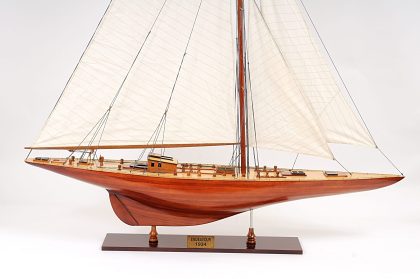
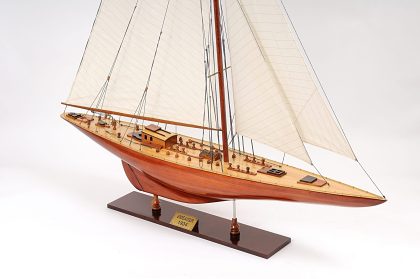
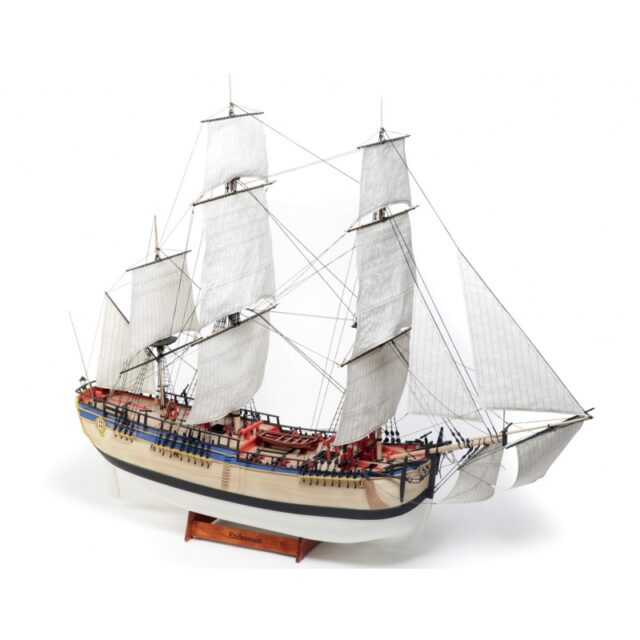
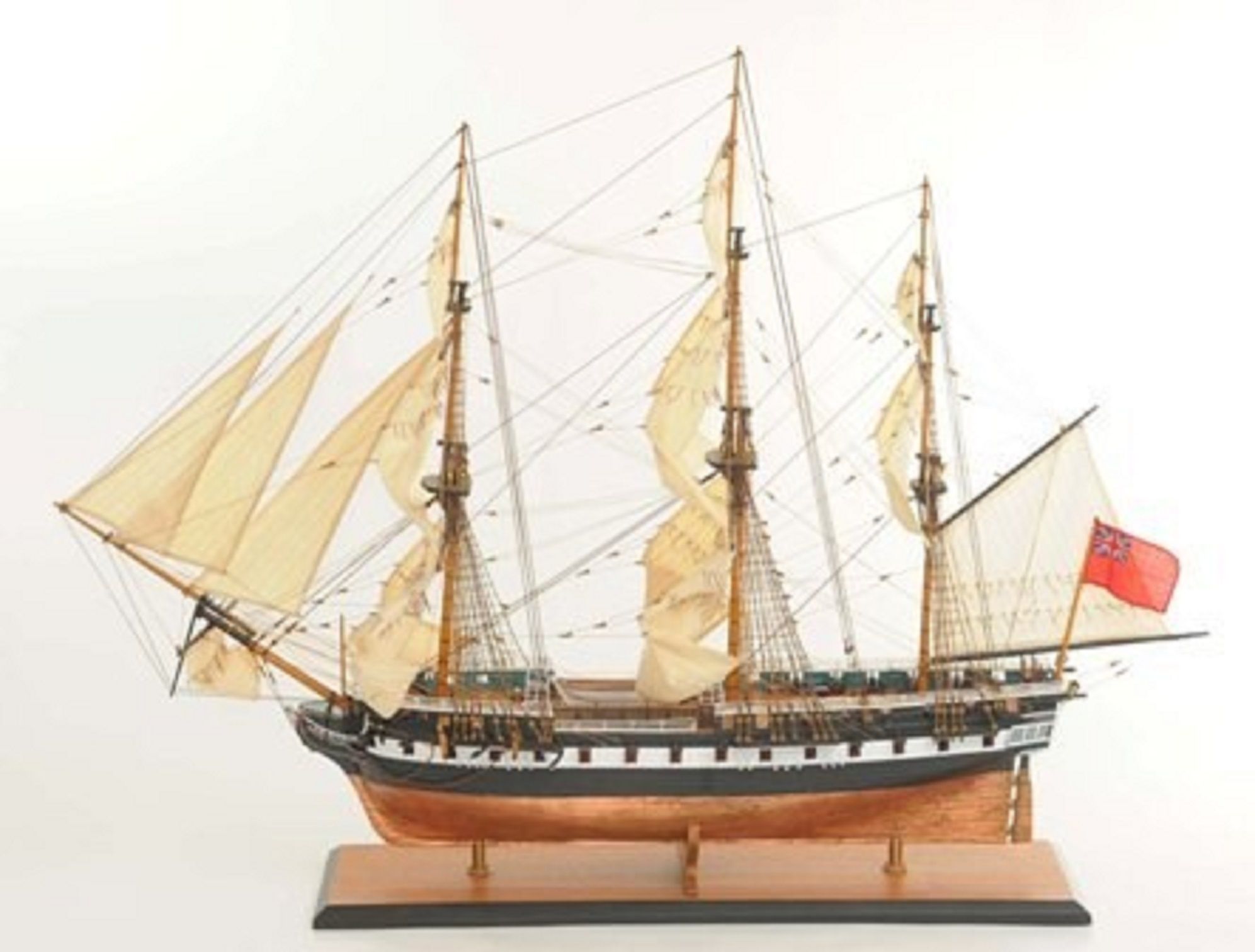
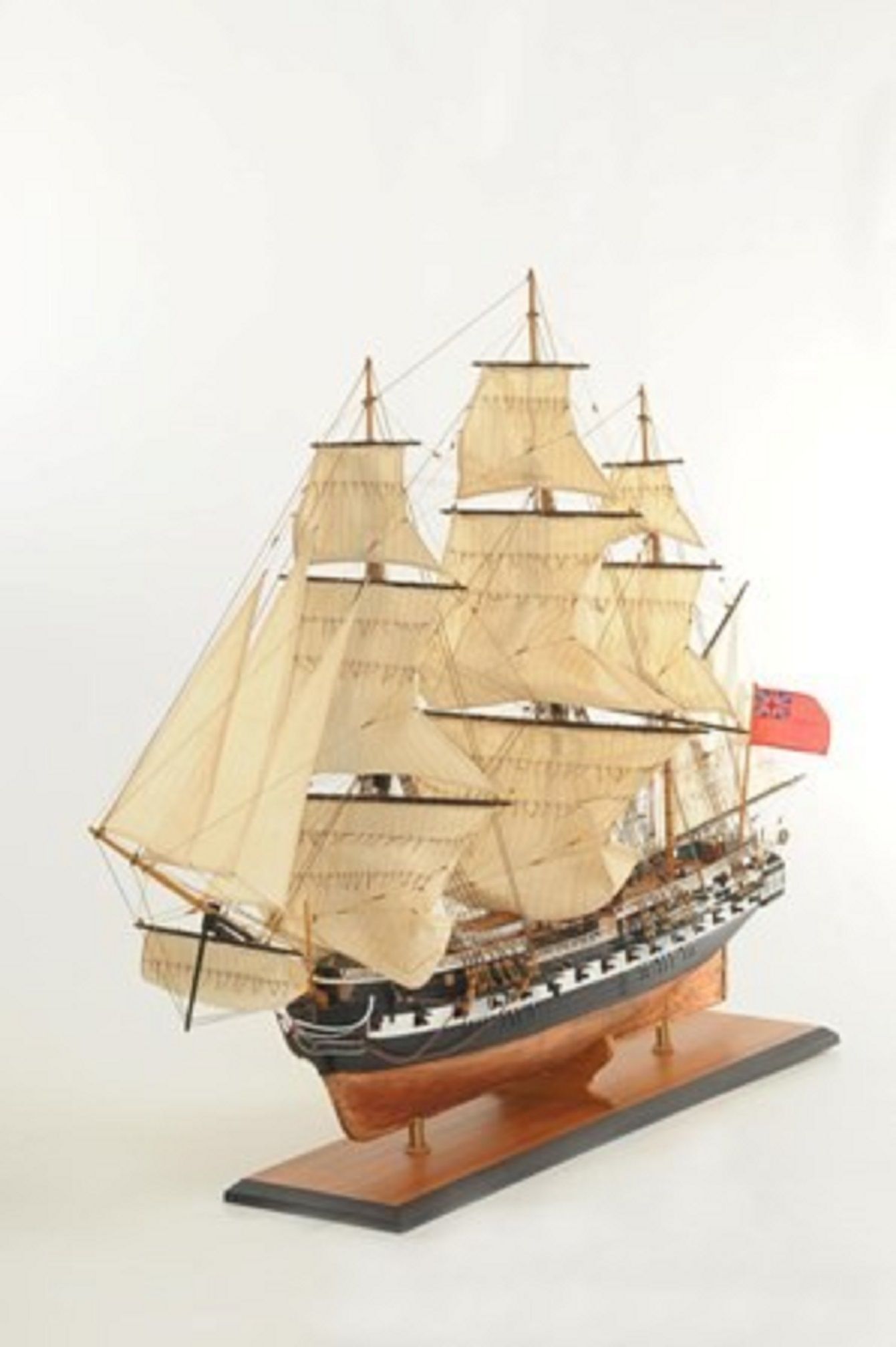
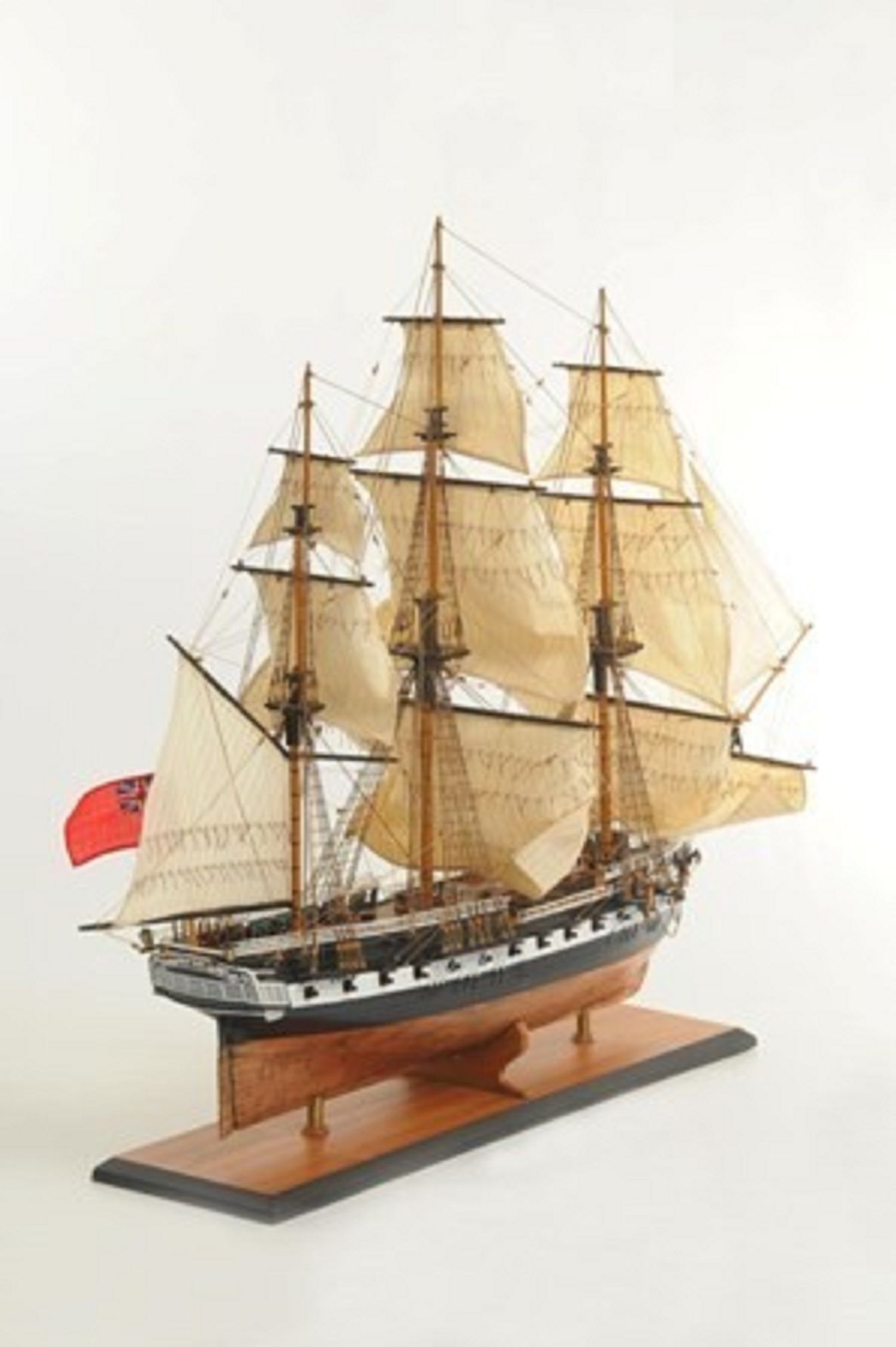
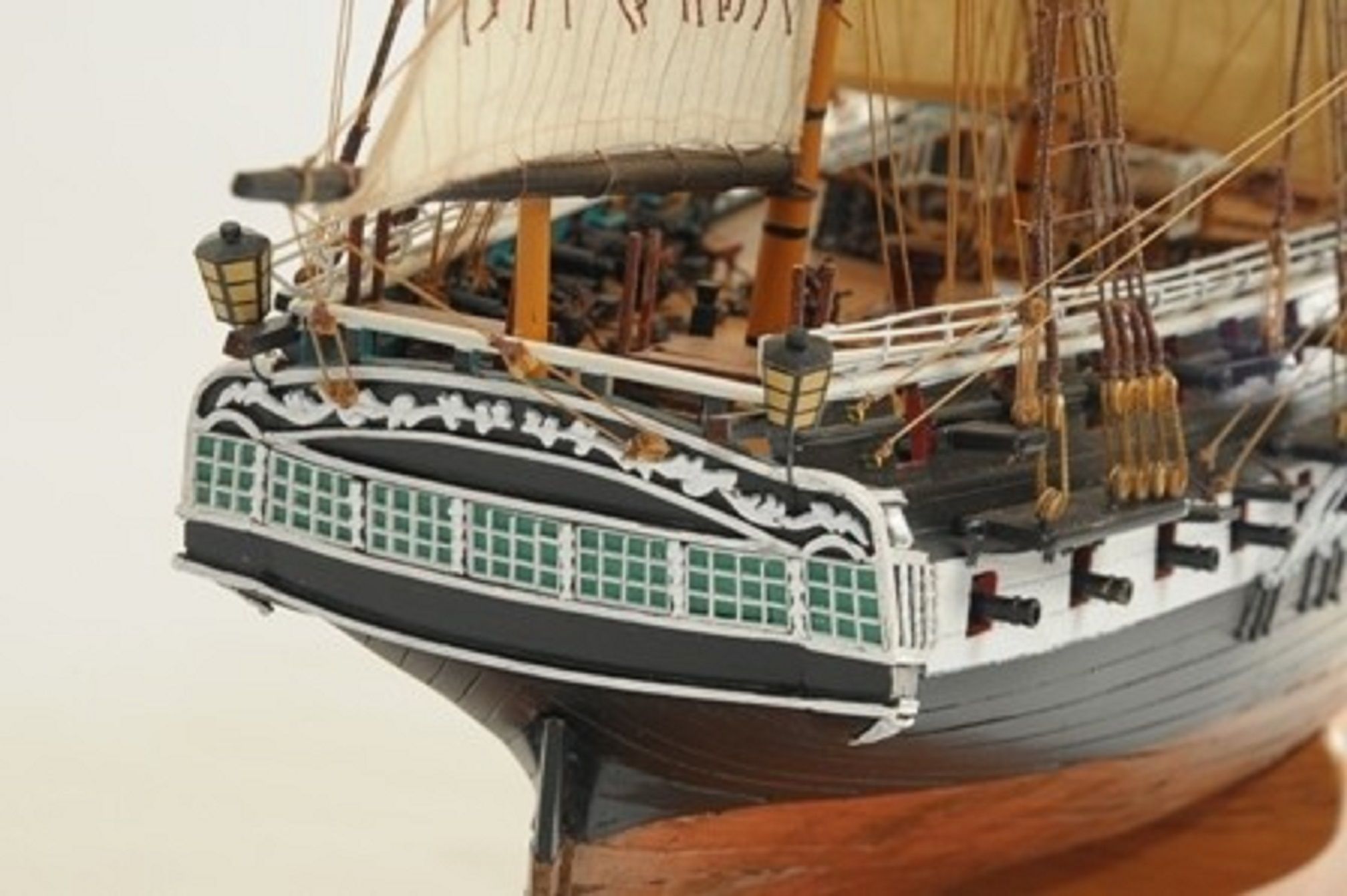
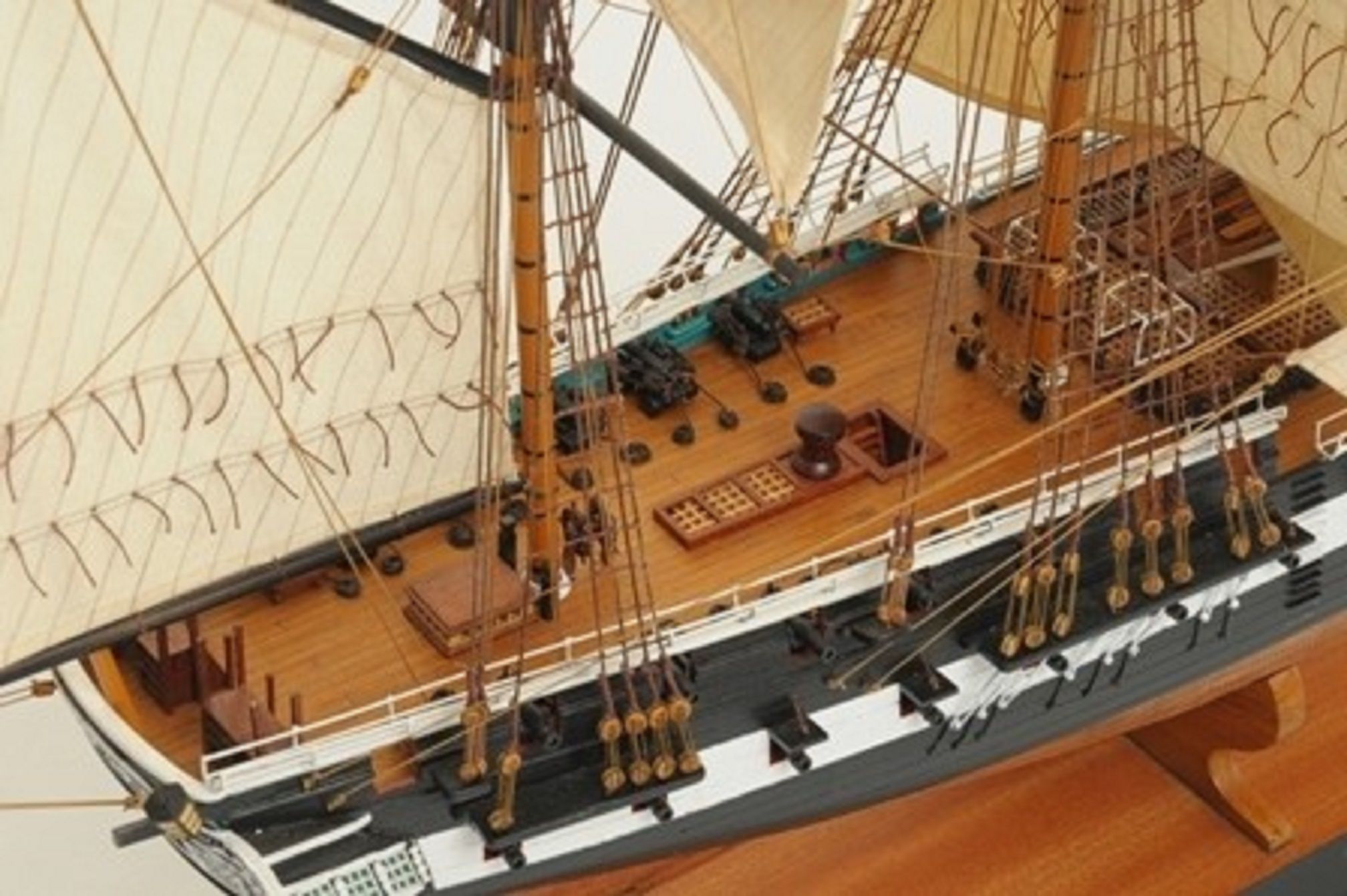
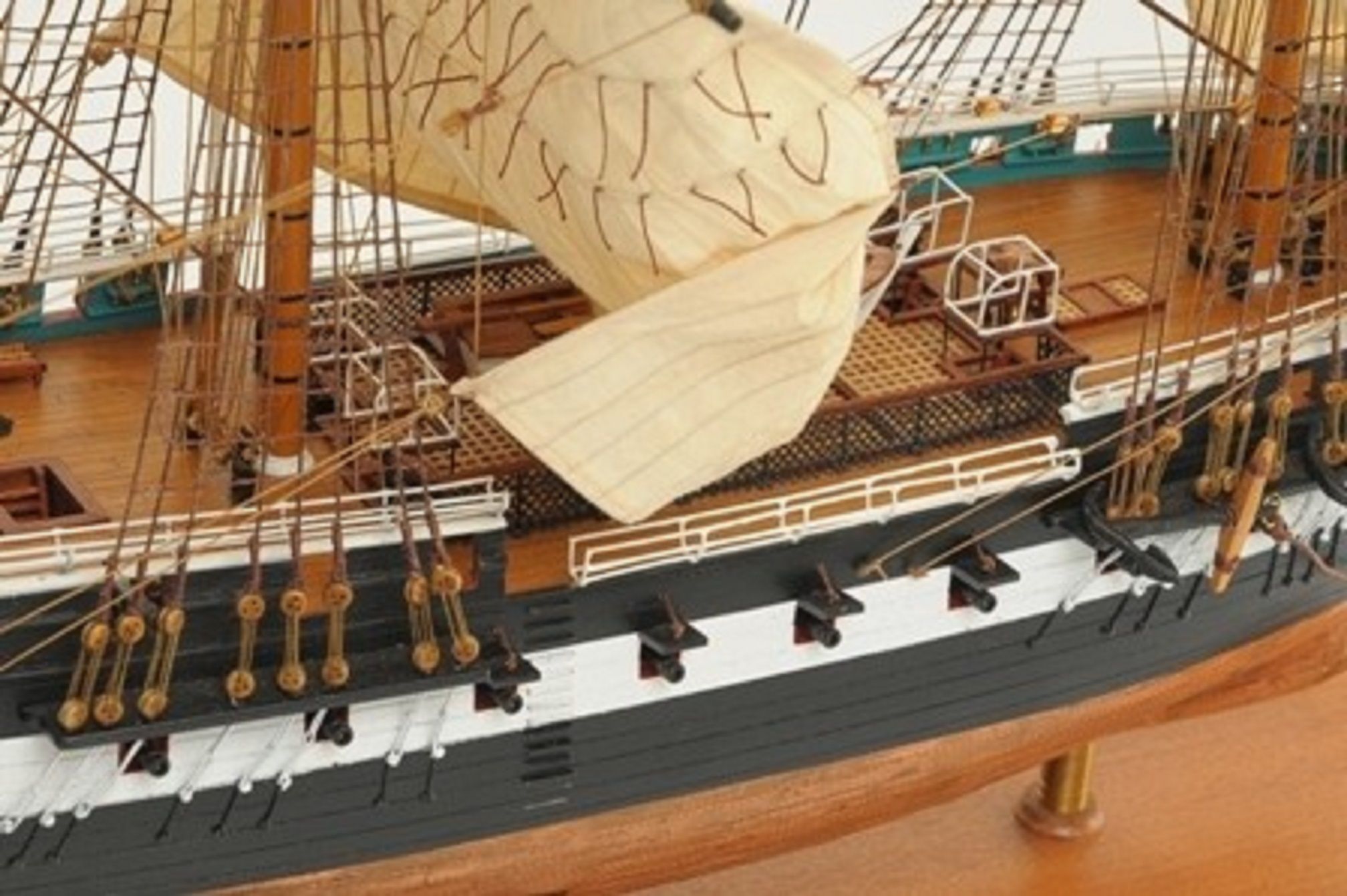
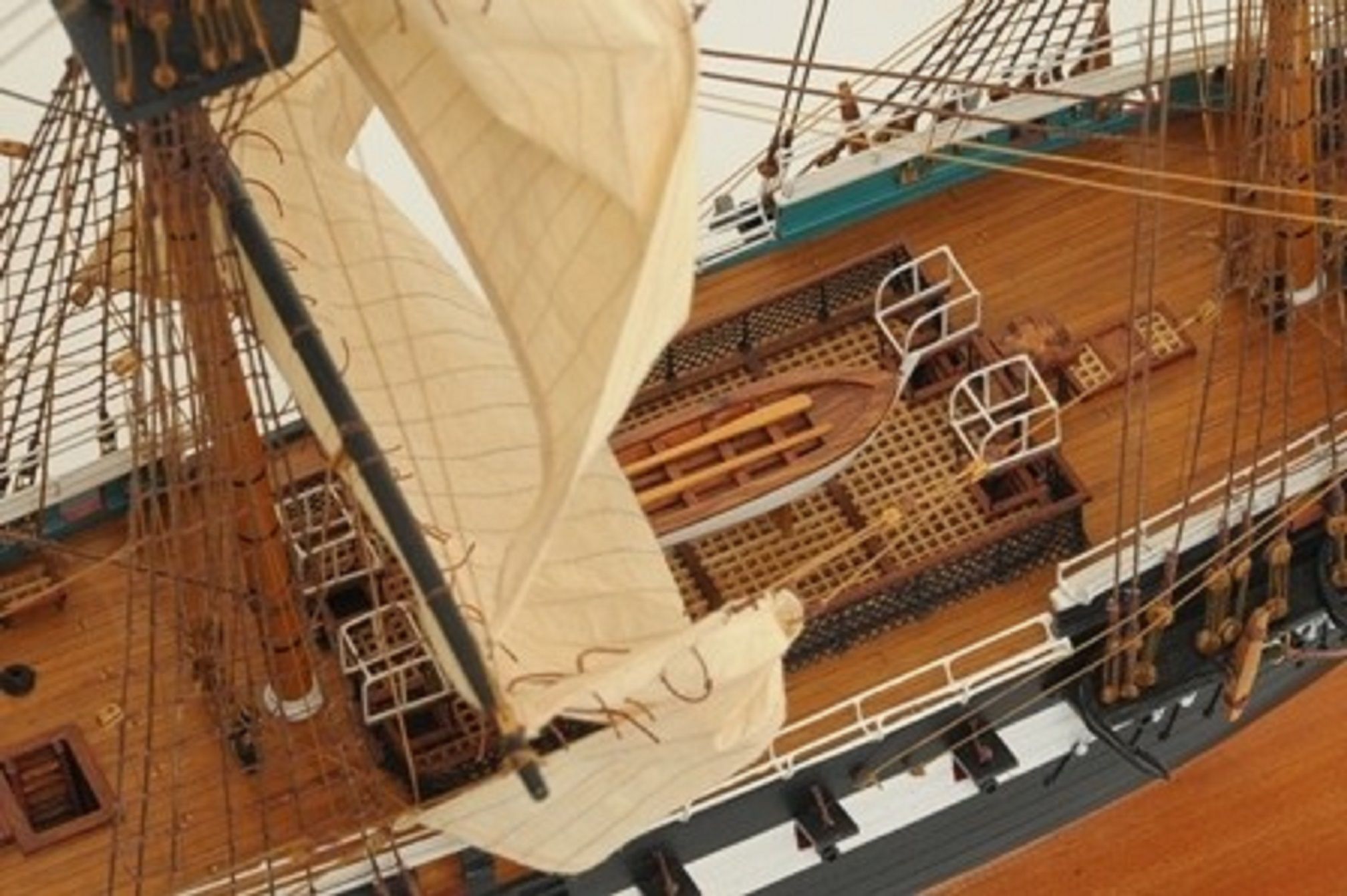
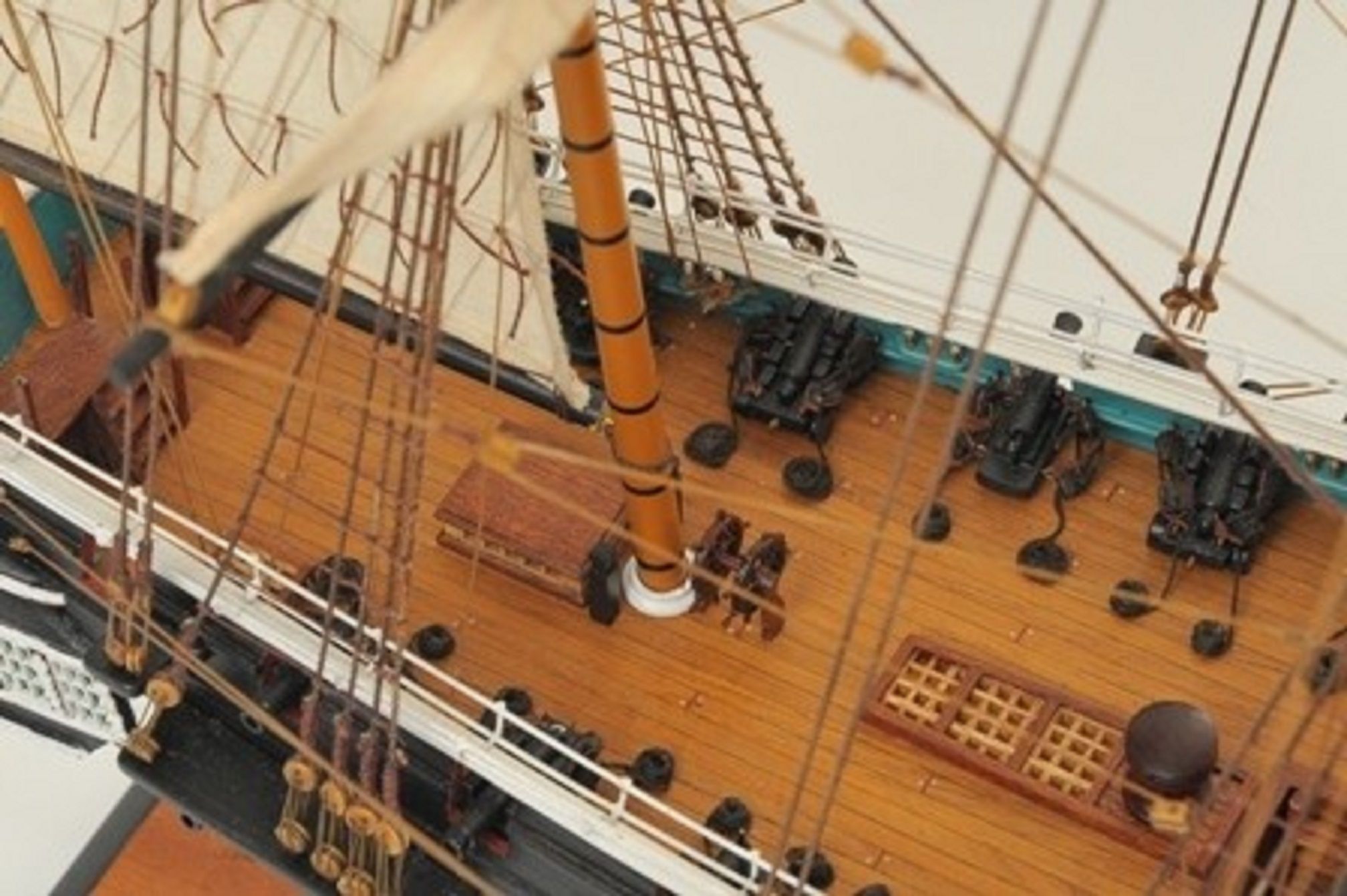
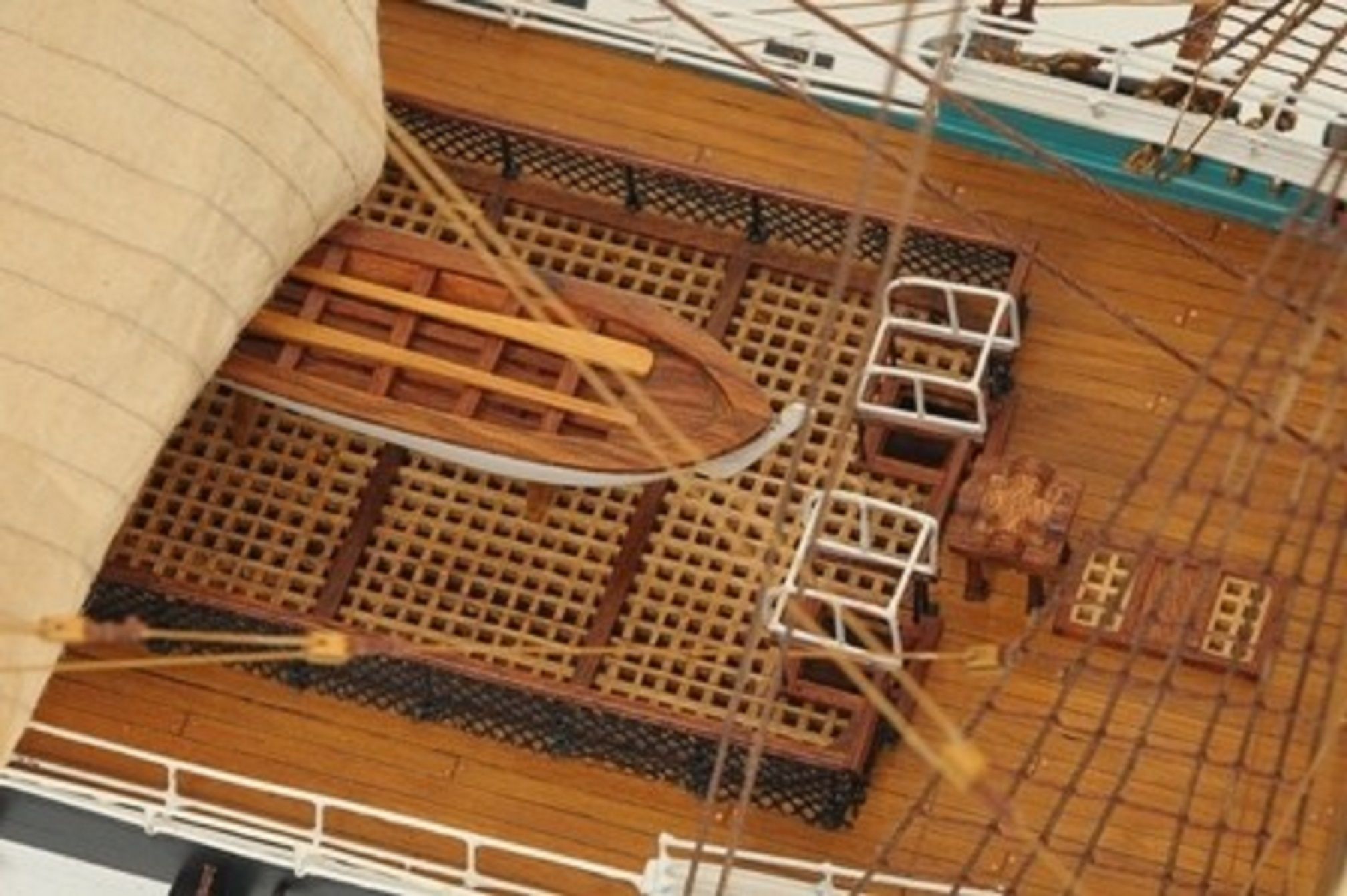
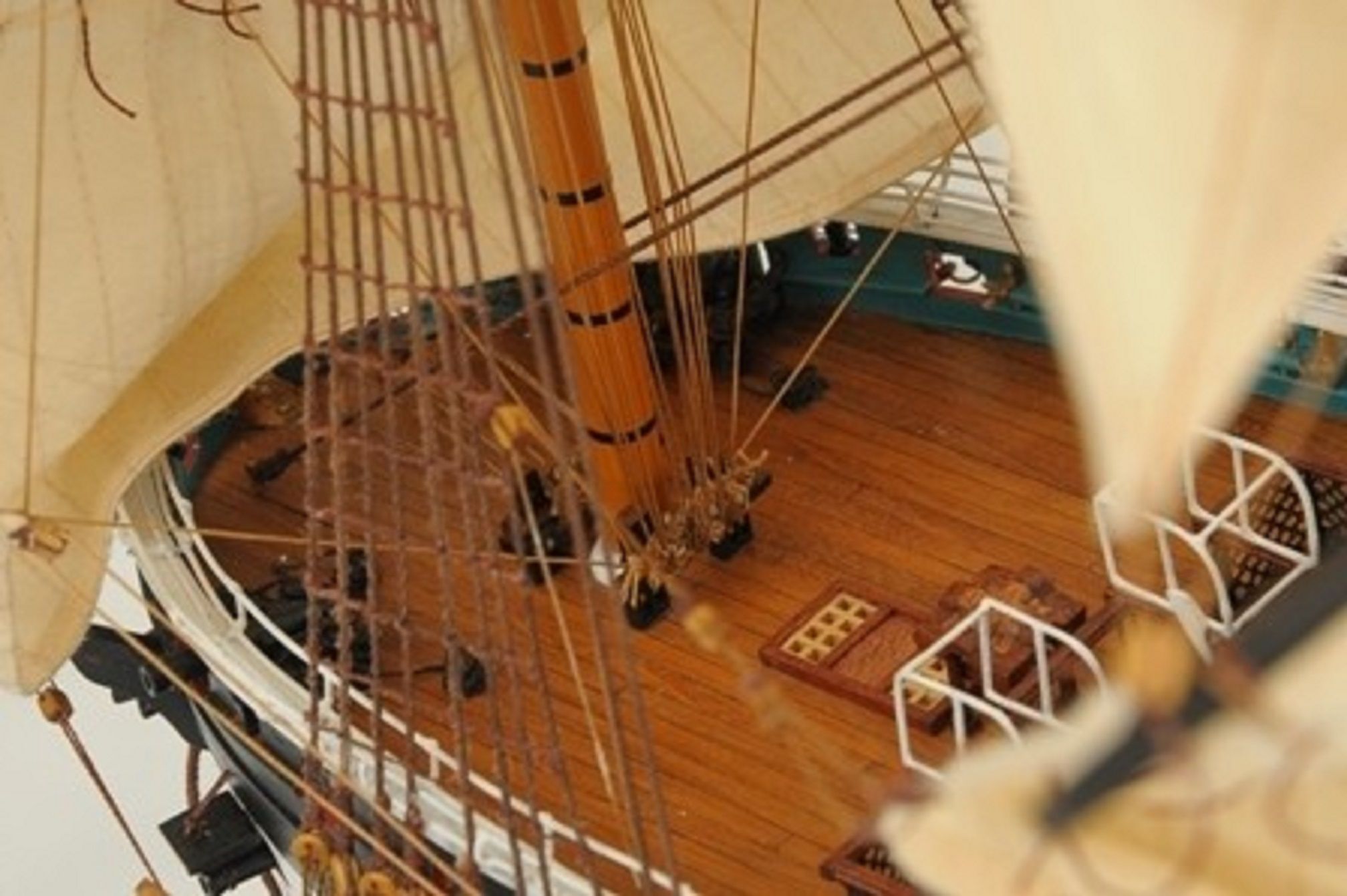
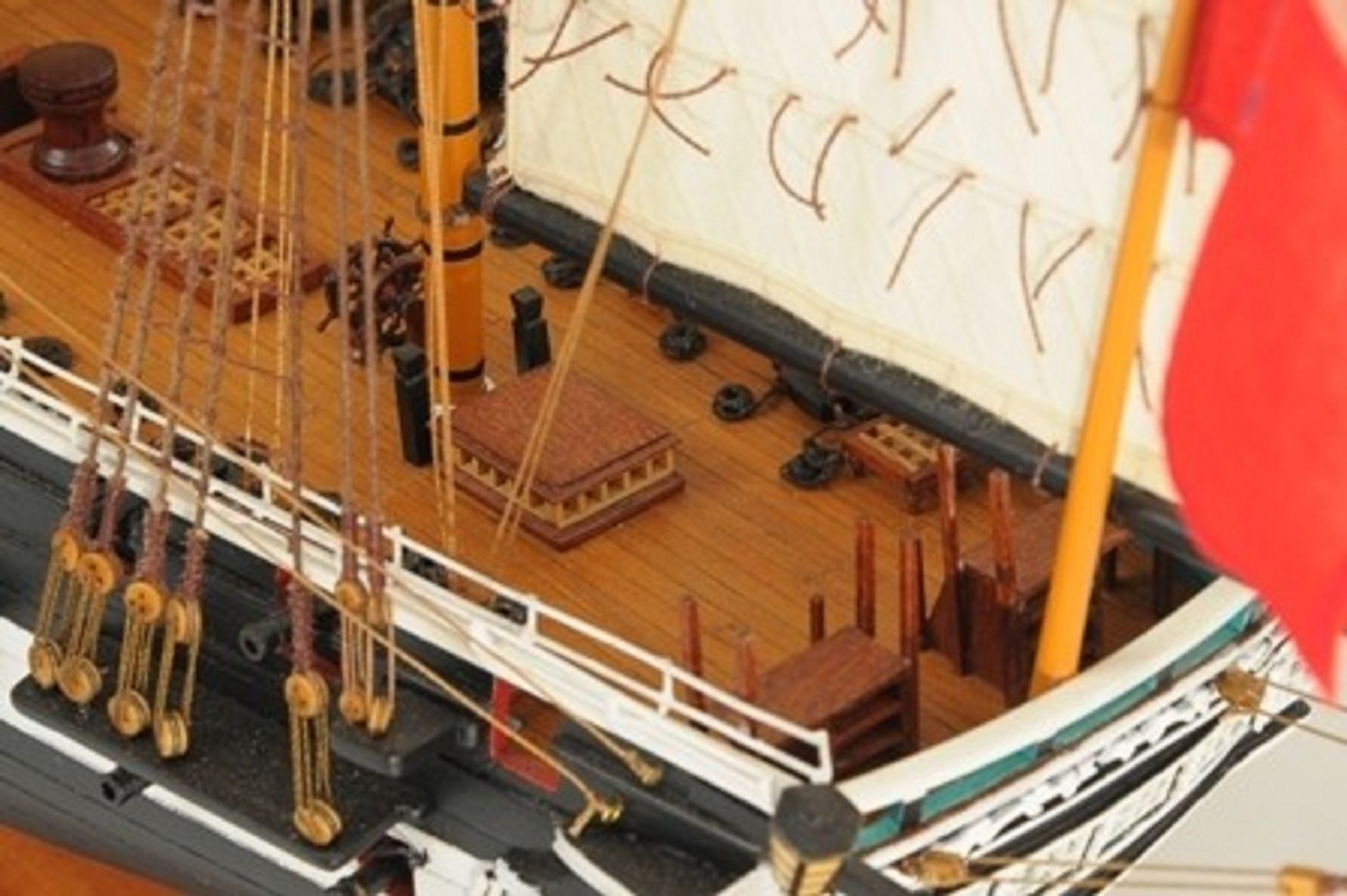
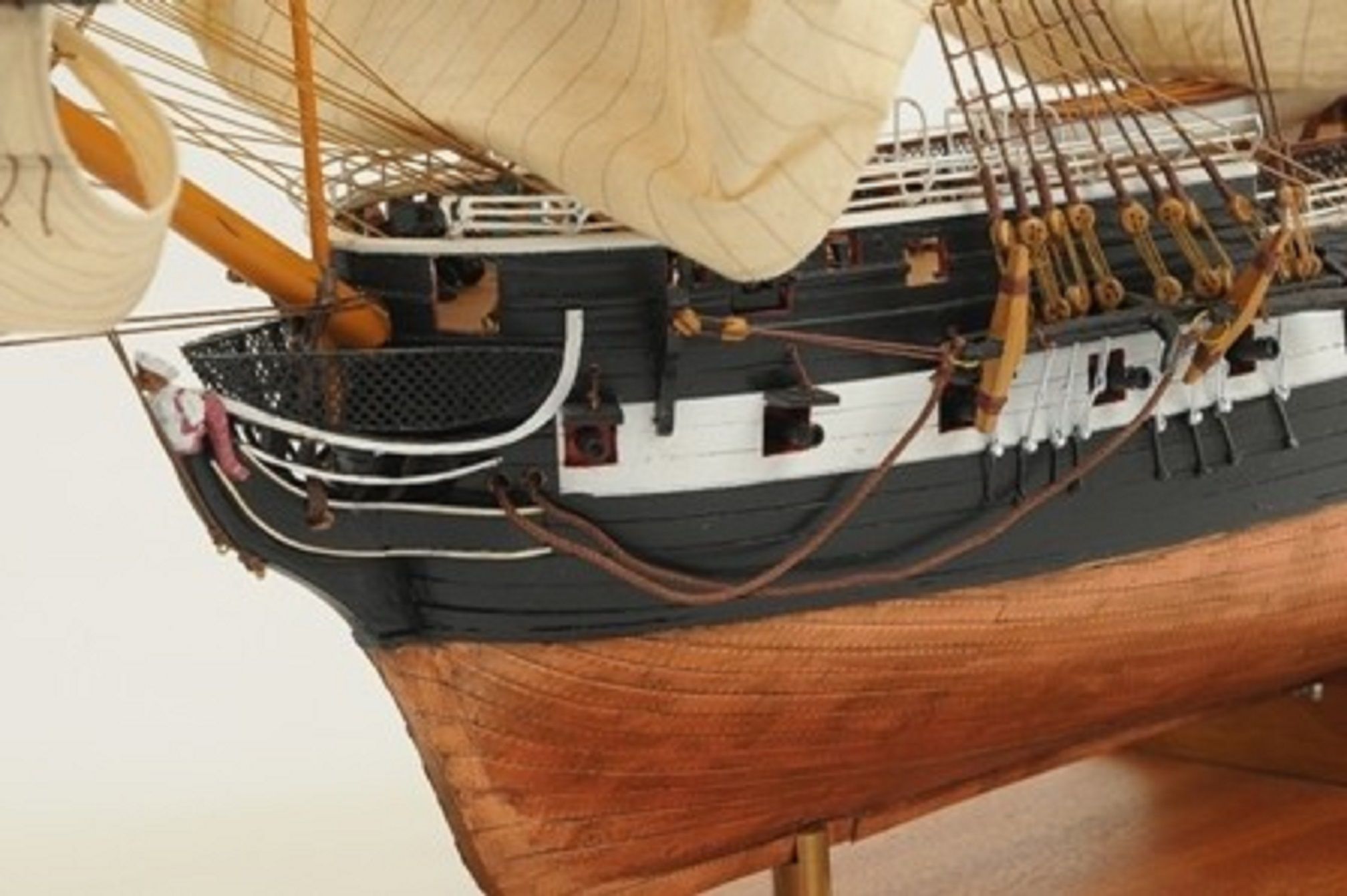
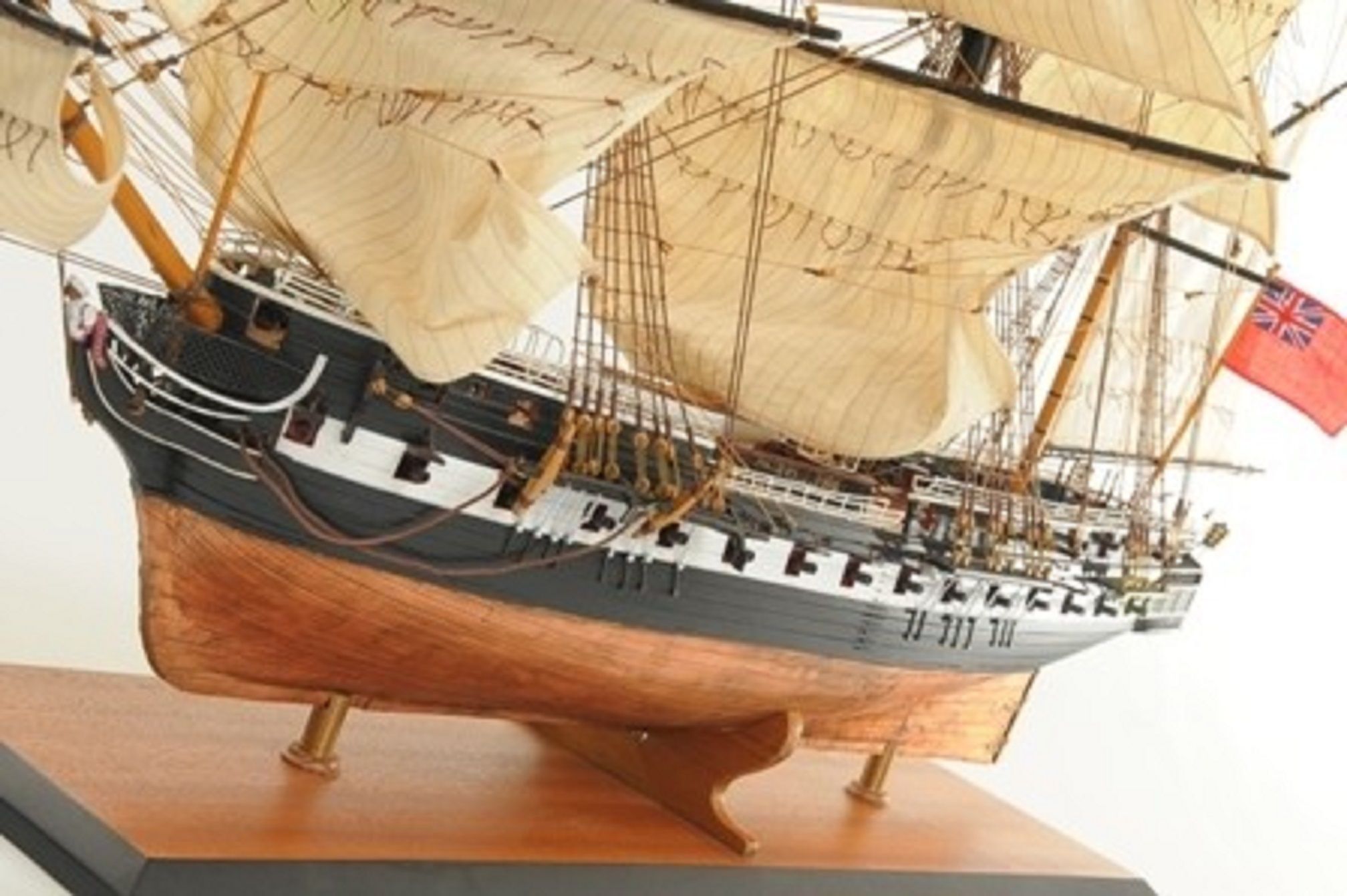
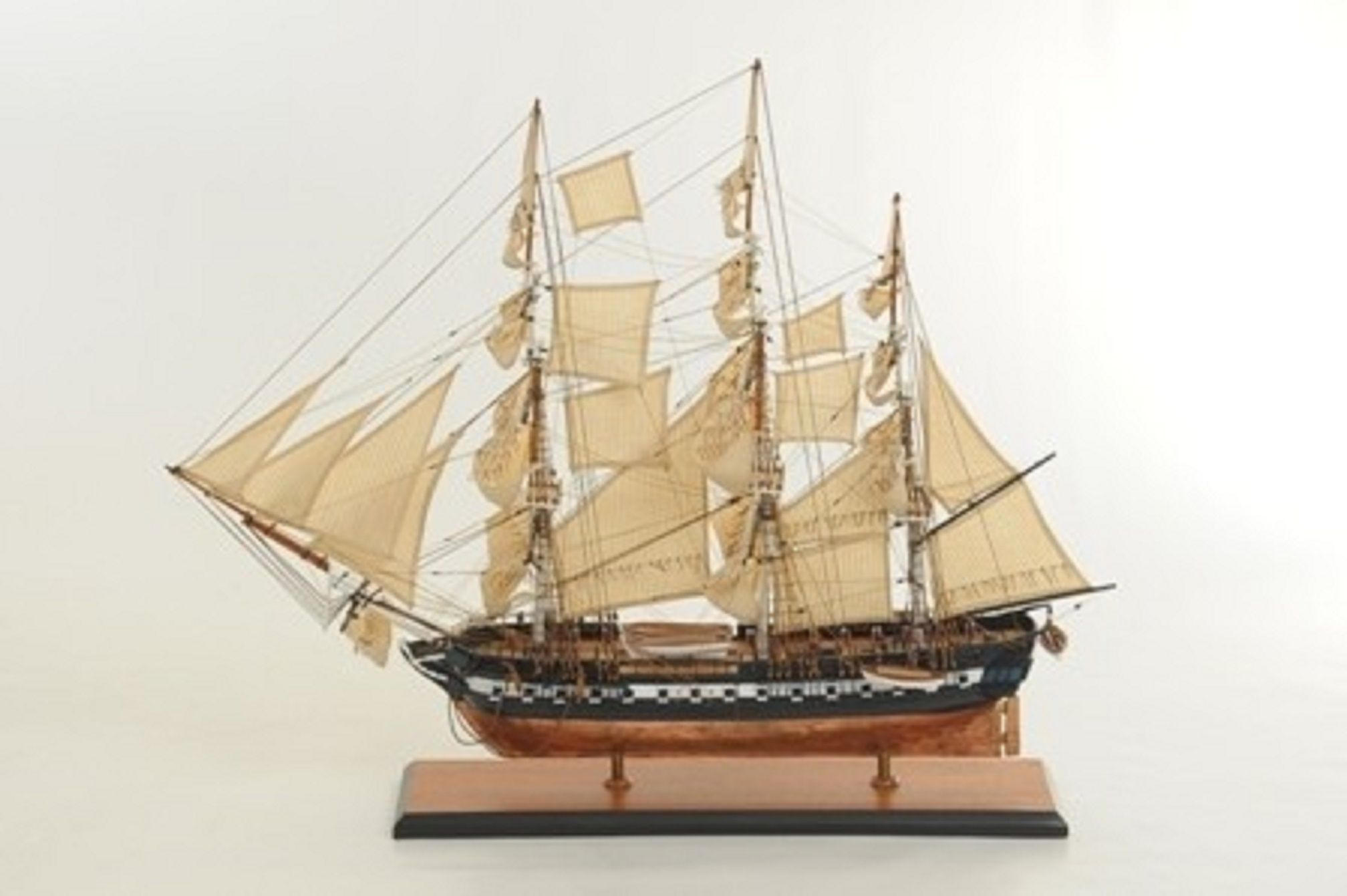
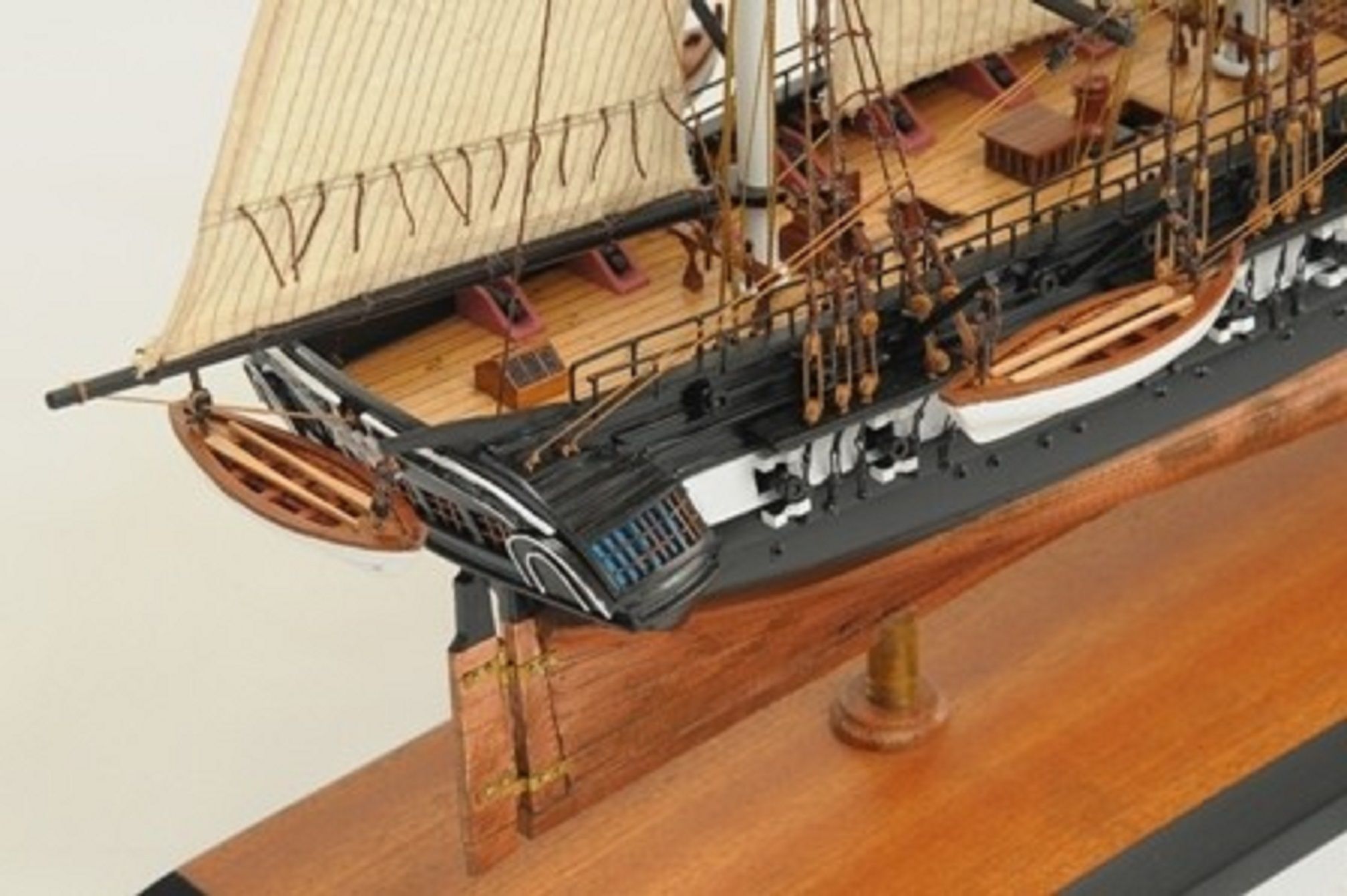
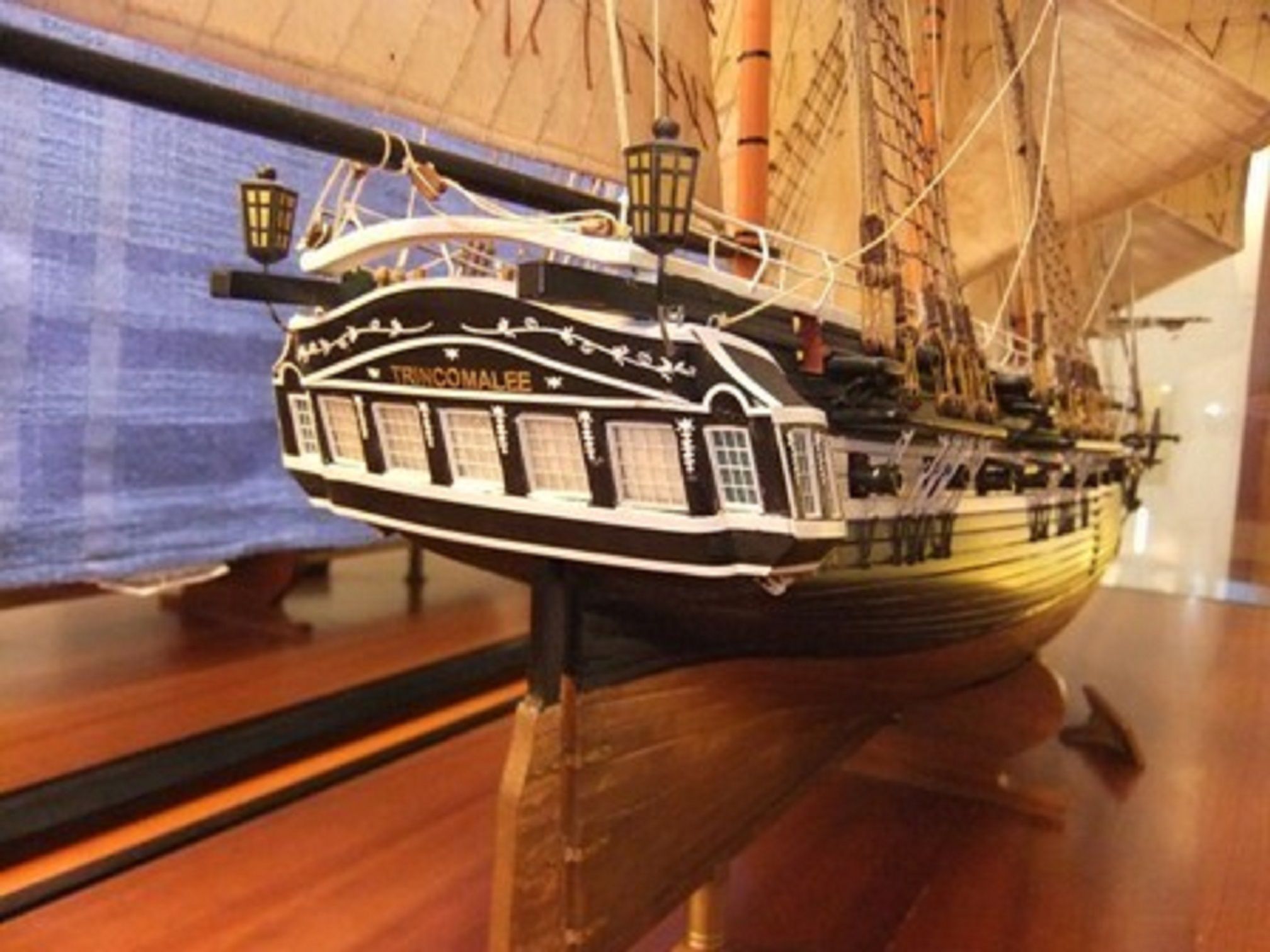
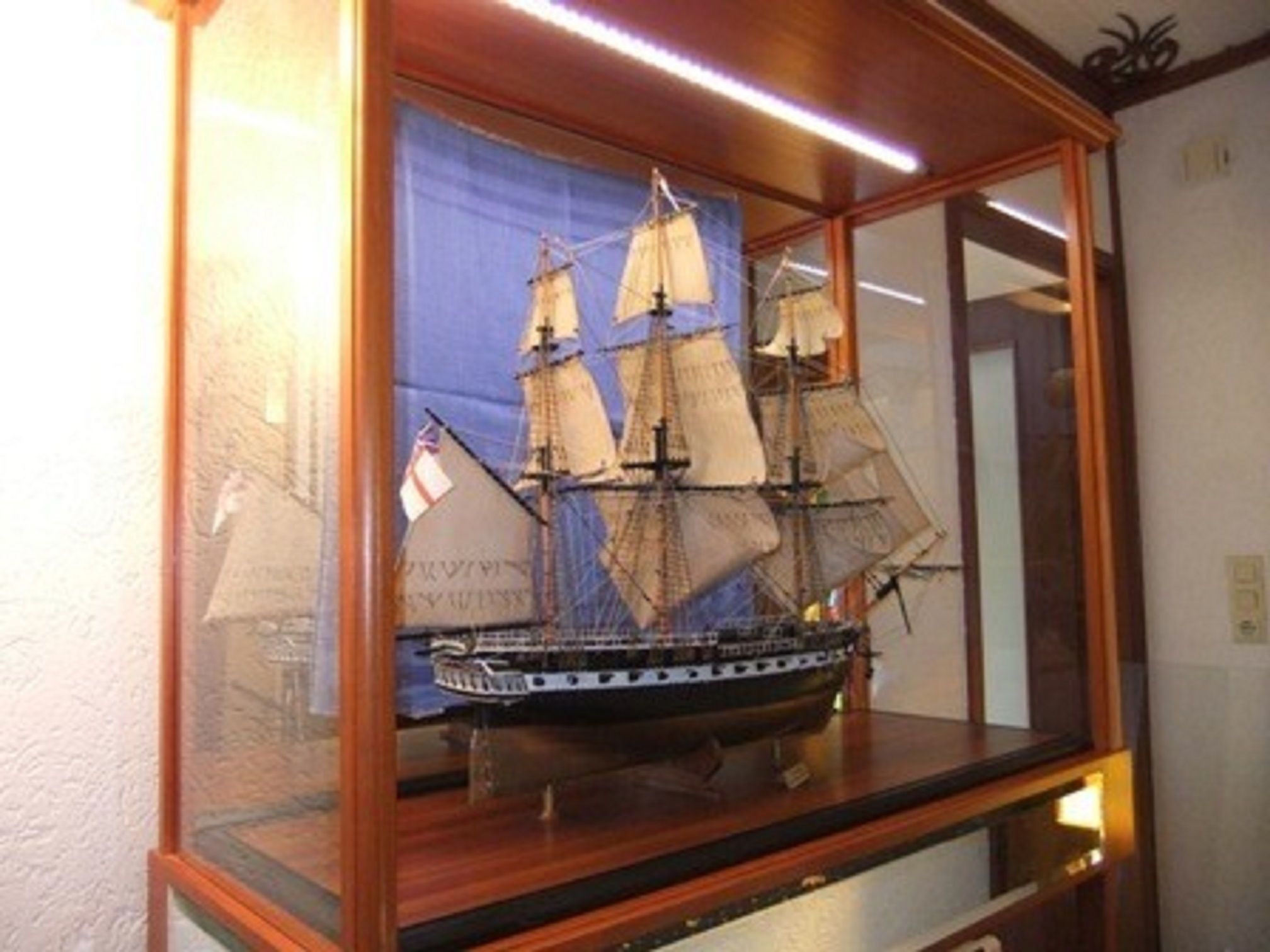
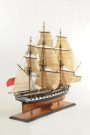
HMS Trincomalee Model Ships Premier Range

When the Trincomalee was needed, an oak shortage in Britain led the Royal Navy to place an order for the building of a Leda frigate to Wadia Shipyards in Bombay, India. The Leda ships were inspired by the patterns on the French frigate Febe, captured by the Royal Navy. The HMS Trincamolee has the distinction of being the oldest warship of the British Navy that is still afloat. Currently serving as a museum, the ship is part of the National Historic Fleet, Core Collection. HMS Trincamolee models from our platinum range are available in various sizes.

HMS Trincamolee?s Journey

Named after the 1782 Battle of Trincomaleeoff Ceylon, this fast, sleek and agile vessel of the British Navy was manufactured in India and reached Britain in 1819. Some refitting was done and the ship was placed in reserve for several years. It was only in 1845 that the British Navy decided to reclassify the ship as a sixth rate ?spar decked corvette? and so carried out some changes. HMS Trincomalee was re-armed with lesser guns of greater fire power and her stern was reshaped.

The ship spent ten years of her service from 1847 to 1857 in the North American and West Indies stations. HMS Trincomalee?s duties during this period included patrolling locations where steam vessels could not operate, and backing up vessels carrying out anti slavery activities. The ship was also involved in the efforts to prevent the invasion of Cuba and the subduing of the Haiti riots.

HMS Trincomalee was sent to patrol the St Lawrence Estuary in Newfoundland and Labrador in 1849, but had to be called back due to little activity in the region Following some repairs and another refit, the ship was re-commissioned to the Royal Navy?s Pacific Squadron in Vancouver. The ship was involved in the destruction of Russian frigates during the Crimean war, protection of trade routes off the Californian coast and several other important assignments.

After remaining in active service for several years, HMS Trincomalee was rested in 1895 and sold in 1897 to a scrap dealer. The ship was, however, bought by a entrepreneur who decided to rename the ship as Foudroyant in honor of an earlier ship owned by him. After serving as an accommodation ship, a training ship and a holiday ship for several years until 1986, the ship?s original name was restored in 1992.

This historic ship is a reminder of the Royal Navy?s strength and its models are in great demand. Replicas of this historic Leda frigate can be ordered at Premier Ship Models, a leading manufacturer of model ships and yacht replicas. The HMS Trincomalee Model ships is available in various sizes.

Please do not hesitate to Contact us, for any more information on any of our ship models or for any help in finding the miniature model for you.
Additional information
Volumetric Weight 111 kg
Length (cm)

104

Width (cm)

36

Height (cm)

78

Vessel Type

Frigate

Length (Inches)

41

Width (Inches)

14

Height (Inches)

31

Delivery & Returns
Delivery

We ship worldwide using FedEx, with tracking details provided once your order has been dispatched. Most model kits are delivered within 10-14 days if in stock, while handcrafted ready-made models may take 12+ weeks depending on production schedules. Due to the bespoke nature of ready-made models, staged payments may apply. Please inspect deliveries on arrival and report any damage immediately.

Returns

Standard models, kits and display cases can be returned within 14 days of delivery if unused and in original condition, with return shipping arranged by the customer. Faulty, damaged or incorrect items should be reported within 24 hours of delivery. Please note that bespoke and custom-made models are non-returnable and non-refundable once production has begun.

FAQs

A custom model ship is a bespoke model built entirely to your specification, replicating a specific design at a chosen scale and finish level. Depending on the type of design and your required timeline, our models are produced using a combination of traditional hand-crafting, 3D printing, CNC, and laser techniques – allowing us to deliver the best result for your project.

Custom models are popular with private collectors, yacht and boat owners, maritime businesses, shipping companies, and naval institutions. They’re also a distinctive choice for trade shows and events, corporate display pieces, and as memorable gifts – for example, gifting a client a scale model of their new yacht while it’s still being built is something we’ve helped make happen more than once.

Our custom model process runs from initial enquiry through to delivery, and is managed across three stages:

1. Enquiry Stage Get in touch with our sales team and we’ll assess your requirements – covering details such as the type and name of the subject, your preferred scale, number of models, quality level, delivery timescale, and budget. We’ll provide a formal quotation, and once agreed, an invoice is raised and a 50% deposit is taken to proceed.

2. Pre-Production Stage Our team works with you to complete a Model Maker’s Brief (MMB) – a detailed specification document that the model makers will build to. Where applicable, 3D renders are produced in black and white and then colour, with up to five revisions before sign-off. Please note that any changes requested after the MMB or renders have been signed off may result in additional costs.

3. Production Stage Our model makers construct your model to the agreed specification. You’ll be kept informed at key milestones through photos or video, and a 30% payment is collected at the 75% completion point. Once finished, your model is quality-checked against the MMB before being carefully packed and shipped. The remaining balance is collected prior to dispatch.

To get started, email us at sales@premiershipmodels.com and we’ll take it from there.

The more reference material you can provide, the better – photographs, technical drawings (in 2D or 3D) and builder’s plans all help us achieve the highest level of accuracy. That said, we can work from images alone if that’s all that’s available. Our team will guide you through exactly what’s needed during the initial consultation.

Lead times vary depending on the size, complexity, quantity, and budget involved. In most cases commissions take between 2 and 6 months, though highly detailed or large-scale pieces may take longer. For clients with tighter deadlines, faster turnarounds can sometimes be accommodated for – we’ve delivered commissions in as little as 3 weeks, though this is reflected in the cost. A clear timeline will always be confirmed as part of your quotation.

We can work to virtually any scale depending on your requirements and intended display space. Common scales include 1:50, 1:75, 1:100, and 1:200, but we’re not limited to these – our largest commission to date measured 4 metres in length. We’ll advise on what works best for your vessel, space, and budget.

Custom models are priced on a per-commission basis, reflecting the complexity, scale, detail and quantity required. Please contact us to discuss your requirements and we’ll prepare a tailored quotation.

Yes. We have experience producing models of historic, decommissioned, and heritage vessels. Provided sufficient reference material is available, we can work to recreate vessels to a high degree of accuracy.

Yes. A 50% deposit is required to commence work on a custom model. A further 30% is collected at the 75% completion stage, with the remaining balance due prior to dispatch. Full payment terms will be outlined in your formal quotation.

Yes. We keep clients informed throughout the commission, providing progress updates at key stages. Photographic updates are available on request for all commissions, and we can also arrange virtual meetings with our Production Manager for clients who would like a more hands-on view of progress.

The build method for a custom model depends on the vessel type, level of detail required, and your delivery timeline. We use a combination of traditional hand-crafting, 3D printing, CNC machining, and laser cutting to produce the best result for each individual commission. This flexible approach means we can work across a wide range of scales, complexities, and budgets without compromising on quality.

Our custom models are constructed from a combination of materials selected to best suit the subject and the level of detail required. For traditional vessel types, the hull and main structural components are typically built from wood – commonly Sapele or Teak – while masts, spars, and finer structural elements use a mix of wood and metal. Rigging is made from thread or cord, and smaller fittings such as cannons, anchors, and deck hardware are usually cast in metal or formed from resin. For subjects that demand the highest level of precision and detail, models may incorporate extensive CNC machining, laser cutting, and 3D printing – and in some cases may be constructed almost entirely using these methods. Display bases and name plaques are generally finished in wood with brass or metal hardware.

Scroll To Top
Shop
1 Wishlist
0 Cart

Login

Close
0
Select the fields to be shown. Others will be hidden. Drag and drop to rearrange the order.
  • Image
  • SKU
  • Rating
  • Price
  • Stock
  • Availability
  • Add to cart
  • Description
  • Content
  • Weight
  • Dimensions
  • Additional information
Click outside to hide the comparison bar
Compare